Discover the Kinetic Kitchen Scale
An innovative device that provides precise and reliable measurements without the use of batteries. Ideal for those looking for a functional, eco-friendly, and easy-to-use kitchen accessory, this scale is designed to ensure accurate results for both everyday recipes and more specific needs.
Main Features:Capacity: up to 5 kg, with a millimetric precision of 1 g, ideal for weighing all kinds of ingredients, from flours to heavier foods.
Advanced Kinetic Technology: works using kinetic energy, with no need for batteries, providing an eco-friendly and always-ready solution.
Durable and Sturdy Material: the stainless steel platform ensures long-lasting durability, resistance, and easy cleaning for everyday use.
Clear and Readable LCD Display: 4.3 x 2.5 cm screen, providing easy and immediate reading of measurements.
Versatile Weight Units: select between grams (g), milliliters (ml) for water and milk, pounds and ounces (lb:oz), ounces (oz), to suit various kitchen weighing needs.
Additional Features:Tare function to measure ingredients in multiple stages.
Overload indicator to prevent weighing errors.
Automatic shut-off to save energy.
Compact Dimensions: 25 x 17.8 x 3.3 cm, easy to store in your kitchen and perfect for small spaces.
FAQs
What are the essential basic tools in the kitchen?
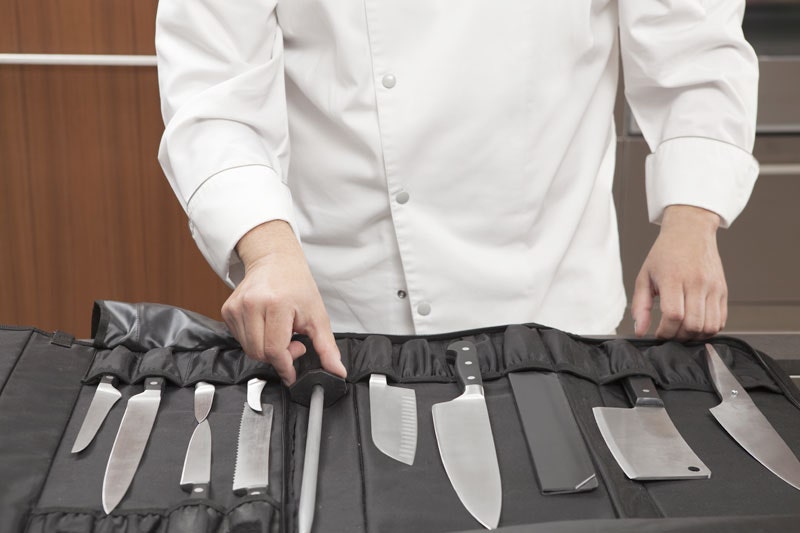
Essential tools include good quality knives, cutting boards, pots and pans of various sizes, ladles, spatulas, whisks, and bowls. These tools allow you to easily handle most everyday cooking tasks.
What is the best material for pots and pans?
It depends on the use: stainless steel is versatile and durable, cast iron retains heat well, aluminum is lightweight and has excellent heat conductivity, while ceramic offers a non-stick surface without chemicals.
How do I choose the best cookware set?
Consider the material (stainless steel, aluminum, copper), compatibility with your stovetop, the number of pieces included, and ease of cleaning. A good set should be versatile and long-lasting.
How can I prevent damage to pots and pans over time?
Avoid using metal utensils on non-stick coatings, do not heat pots empty, and clean them with soft sponges. When storing, protect surfaces by stacking pots with cloths or separators to prevent scratches.
How do I properly care for and clean kitchen tools?
It’s important to wash them immediately after use, avoiding harsh detergents especially on delicate materials like wood or ceramic. Some tools are dishwasher safe, while others, like knives and special pots, should be hand washed. Always follow the manufacturer’s instructions.
When should I replace a kitchen utensil?
Replace utensils when they show significant wear, such as deep scratches on non-stick surfaces, broken or deformed parts, or when the material emits unusual odors or substances.
What should I do if I’m looking for a specific tool but can’t find it?
Contact us! We can help you find the right utensil or suggest suitable alternatives for your needs.