WORLDWIDE SHIPPING

 IT
IT FR
FR
- KNIVES
- JAPANESE KNIVES
- EUROPEAN KNIVES
- PROMOTIONAL AND CUSTOMIZATIONS
- CHEF'S CASES - KNIVES BLOCKS - SETS
- SHARPENING
- PASTRY
- PASTRY UTENSILS
- ACCESSORIES & UTENSILS
- CAKE STANDS AND DISPLAY
- CHOCOLATE
- MARTELLATO PROFESSIONAL
- PAVONI ITALIA
- BRUSHES, SPATULAS AND WHIPS
- SCHNEIDER
- SILICONE
- SILIKOMART PROFESSIONAL
- AIRPLUS
- CHOCADO
- ÉCLAIR
- DECORATIVE ELEMENTS
- FRUITS 3D
- ICE
- MINI DESSERTS - MIGNON
- MODERN SINGLE PORTIONS
- CLASSIC SINGLE PORTIONS AND CAKES
- NATURAE
- 60 X 40 MOLDS
- AIR MAT
- TARTE 4.0
- JELLY MOULDS
- MODERN CAKES
- STORAGE AND DISPLAY I-GLOO AND MACADO'
- MOULDS FOR CHOCOLATES
- CHOCOLATE ACCESSORIES
- SMALL PLATES
- ACCESSORIES
- CRAFT MOULDS
- PASTRY CUTTER
- TRAYS, GRADE, BOWLS, JUGS, BOTTLES
- THERMOMETERS, TIMER AND SCALES
- BAKEWARE, RINGS AND MOULDS
- MOULDS
- PACKAGING AND PASTRY TRAYS
- BAKING MATS & LINERS
- GUITARS - FRAMES
- VALENTINE'S DAY - MOTHER'S DAY
- DECORATING CAKES
- ICE-CREAM SHOP
- PASTRY UTENSILS
- KITCHEN
- WELLNESS KITCHEN
- COOKING UTENSILS
- ELECTRIC KITCHEN UTENSILS
- POTS
- CARVING & DECORATION
- MANDOLINE AND GRATERS
- ETHNIC CUISINE
- CATERING & BUFFET
- COOKING BOOKS

- CLOTHING
- TABLE & BAR
- HOME & FREE TIME
- GIFT IDEAS
- NEWS
- SALES
- SPARE PARTS
- DELUXE
- AFCOLTELLERIE Home
- Blog
- Business

 IT
IT FR
FR


Pinza leggera da chef in acciaio inox di Sanelli
As low as
€6.90
€5.66
Availability:
In stock
Only %1 left
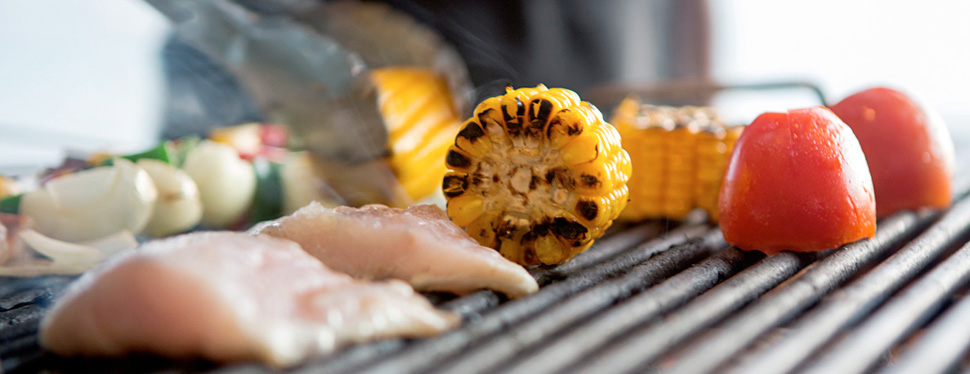
Queste pinze sono essenziali assistenti in cucina e alla griglia esterna.
Realizzate in in acciaio inossidabile, costruite con precisione, sono state progettate per ottenere una presa sicura anche sui più piccoli alimenti - dalle punte degli asparagi, piccole verdure da impiattare, alle strisce di pancetta o bocconcini di carne, capesante o gamberetti ecc.
Utili anche per recuperare olive, sottoaceti, carciofi dai vasi o pezzi di guscio da uova battute.
Realizzate in in acciaio inossidabile, costruite con precisione, sono state progettate per ottenere una presa sicura anche sui più piccoli alimenti - dalle punte degli asparagi, piccole verdure da impiattare, alle strisce di pancetta o bocconcini di carne, capesante o gamberetti ecc.
Utili anche per recuperare olive, sottoaceti, carciofi dai vasi o pezzi di guscio da uova battute.
FAQs
What is the ideal length for a chef's knife?
The most common length for a chef's knife is 20 cm (8 inches), which is perfect for most kitchen tasks.
However, the ideal choice depends on several factors:
Hand size: Smaller hands handle 16–18 cm blades more comfortably, while larger hands may prefer a 21–25 cm blade.
Personal habits: Those who favor broad movements and long cuts might lean toward longer knives; those who prioritize precision or work in tight spaces might prefer a shorter blade.
Experience level: Beginners tend to choose shorter, more manageable blades, while professionals often prefer 21 or 24 cm knives for greater efficiency.
In short, there is no “perfect” size for everyone — the right length should be chosen based on comfort, control, and intended use.
What’s the best way to store kitchen knives?
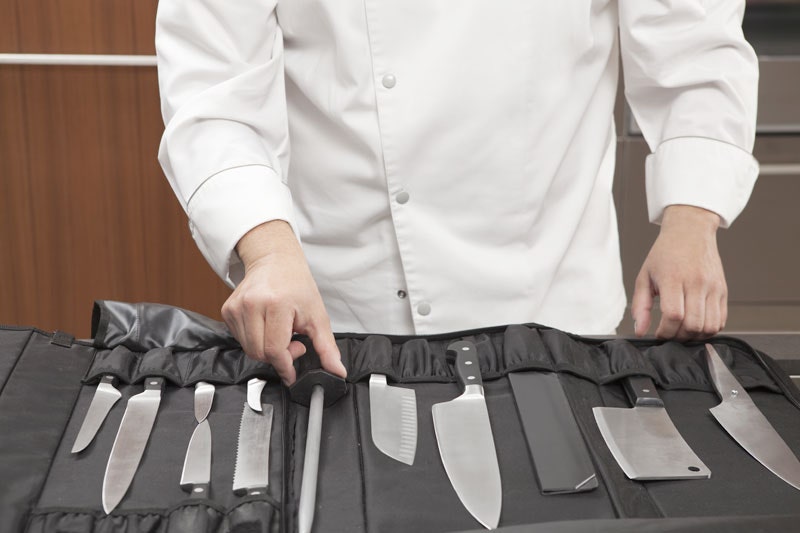
Avoid keeping them loose in drawers, where they can get damaged or become a safety hazard. It’s better to use a wooden block, magnetic strip, or blade guard. You can find the right solution in our catalog.
Do you have professional chef knives?
Yes, in our ecommerce store you will find only professional and high-quality chef knives.
Each model is selected to meet the needs of chefs, cooks, and cooking enthusiasts who seek reliable, sharp, and durable tools.
We offer a complete range of professional kitchen knives, ideal for precision cutting, meat, fish, vegetables, and much more.
You will find slicing knives, santoku, paring knives, and other models commonly used in professional kitchens.
We collaborate only with brands recognized at the professional level, such as [e.g., Victorinox, Global, Kai, F. Dick, Ambrogio Sanelli, Wüsthof, etc.], to offer you the best in performance and safety in the kitchen
Can I put knives in the dishwasher?
It’s highly discouraged. High heat and aggressive detergents can damage both blade and handle. Knives can also knock against other items, dulling the edge.
What does "blade hardness" mean?
Hardness refers to how resistant the steel is, measured on the Rockwell scale (HRC). The harder the steel, the better it retains its edge—but it’s also more brittle and prone to chipping.
What materials are used for knife blades?
Blades can be made of stainless steel (rust-resistant), carbon steel (very sharp but delicate), or ceramic (lightweight and razor-sharp but fragile). Premium knives often use Damascus steel or advanced alloys. Not sure which to choose? Contact us—AFcoltellerie has them all.
What are knife handles made of?
Handles can be made of wood (classic but delicate), plastic (durable and hygienic), or technical materials like micarta or G-10, which are extremely tough and non-slip even when wet.
What’s the best knife for beginners?
A 20 cm chef’s knife is the most versatile option to start with. Paired with a paring knife, it covers most everyday kitchen needs.
What are the grooves (granton edge) on a blade for?
The grooves or “granton edge” reduce friction and prevent food from sticking to the blade. They’re especially useful with wet or soft foods like fish, cheese, or vegetables.
Are there knives for left-handed users?
Yes. Some single-bevel Japanese knives are made specifically for right- or left-handed use. Many universal knives, with a double bevel, work well for both.
European or Japanese knives: what’s the difference?
European knives are sturdier, with thick, curved blades for rocking cuts and tough ingredients. Japanese knives have thinner, harder blades for clean, precise slicing—but they’re also more fragile. In short: Europeans are durable and versatile, Japanese are sharp and surgical.
What are the essential basic tools in the kitchen?
Essential tools include good quality knives, cutting boards, pots and pans of various sizes, ladles, spatulas, whisks, and bowls. These tools allow you to easily handle most everyday cooking tasks.
What is the best material for pots and pans?
It depends on the use: stainless steel is versatile and durable, cast iron retains heat well, aluminum is lightweight and has excellent heat conductivity, while ceramic offers a non-stick surface without chemicals.
How do I choose the best cookware set?
Consider the material (stainless steel, aluminum, copper), compatibility with your stovetop, the number of pieces included, and ease of cleaning. A good set should be versatile and long-lasting.
How can I prevent damage to pots and pans over time?
Avoid using metal utensils on non-stick coatings, do not heat pots empty, and clean them with soft sponges. When storing, protect surfaces by stacking pots with cloths or separators to prevent scratches.
How do I properly care for and clean kitchen tools?
It’s important to wash them immediately after use, avoiding harsh detergents especially on delicate materials like wood or ceramic. Some tools are dishwasher safe, while others, like knives and special pots, should be hand washed. Always follow the manufacturer’s instructions.
When should I replace a kitchen utensil?
Replace utensils when they show significant wear, such as deep scratches on non-stick surfaces, broken or deformed parts, or when the material emits unusual odors or substances.
What should I do if I’m looking for a specific tool but can’t find it?
Contact us! We can help you find the right utensil or suggest suitable alternatives for your needs.
What do Ambrogio Sanelli accessories actually include?
Ambrogio Sanelli accessories should not be seen as simple add-ons, but as essential tools for keeping professional knives efficient, safe and properly organised. They may include solutions for sharpening, protection, transport, storage and workstation management. In a professional environment, the right accessory directly affects blade life, operator safety and service continuity.
Who are Ambrogio Sanelli accessories recommended for?
They are recommended for chefs, butchers, food-industry operators, culinary schools, laboratories and advanced users who want to manage knives in an orderly and professional way. They become especially important when blades are used every day, frequently transported or shared by several operators. In these cases, the accessory is not secondary, but part of the working system.
What are Ambrogio Sanelli accessories ideal for?
Accessories are ideal for preserving the edge, protecting blades during transport, organising the workstation and improving overall safety. A blade guard, case, support or sharpening tool may serve different purposes, but all share the same objective: keeping the knife in proper condition for longer while reducing mistakes, damage and risks during daily use.
How should accessories be maintained and used correctly?
Accessories also require care: they should be kept clean, dry and used according to their specific purpose. A dirty, worn or unsuitable accessory can compromise hygiene, damage the blade or reduce operator safety. Correct accessory management therefore contributes to knife durability and overall work quality.
What truly distinguishes Ambrogio Sanelli knives within the professional cutlery market?
Ambrogio Sanelli is one of the most recognisable historic Italian brands in the professional cutlery sector. Unlike many manufacturers focused primarily on extreme hardness or ultra-refined cutting precision, the Sanelli philosophy prioritises reliability, ergonomics, operational continuity and durability in everyday professional use. These knives are developed for long working sessions in professional kitchens, food laboratories, butcher shops and gastronomy environments, maintaining a practical balance between performance, comfort and ease of management.
What is the production philosophy behind Ambrogio Sanelli?
The Ambrogio Sanelli philosophy is deeply connected to real professional knife use. The goal is not to create extremely delicate or highly specialised blades, but reliable and ergonomic tools capable of supporting intensive daily workflows. Each line is developed with a specific operational logic: some focus on robustness and productivity, while others prioritise ergonomics, comfort or a more refined cutting feel.
Who are Ambrogio Sanelli knives recommended for?
Ambrogio Sanelli knives are particularly suited to professional chefs, butchers, food industry operators, culinary schools and advanced users looking for reliable and practical cutting tools. Depending on the selected line, the brand can satisfy users seeking robustness and productivity as well as those preferring greater ergonomics, precision or cutting sensitivity.
What are Ambrogio Sanelli knives ideal for?
Ambrogio Sanelli knives perform best in environments where operational continuity, reliability and comfort directly affect work quality. They are especially effective for intensive preparation tasks, repetitive cutting work and professional environments where knives are used continuously for many hours.
How should Ambrogio Sanelli knives be maintained?
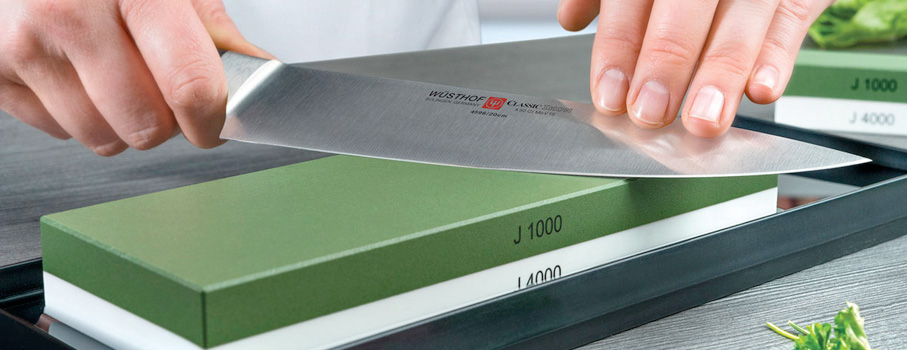
Maintenance follows a simple but professional approach: regular sharpening, hand washing and immediate drying help preserve cutting continuity, ergonomics and long-term durability. Compared to many very hard Japanese blades, several Ambrogio Sanelli lines are more forgiving and easier to manage during intensive professional use.