
 IT
IT FR
FR






 IT
IT FR
FREssential Tools for Setting Up a Yacht or Ship Kitchen

Equipping a kitchen on a ship or yacht presents unique challenges that require careful consideration of both space and functionality.
Whether you're a professional chef navigating the high seas or an enthusiast enjoying a leisurely cruise, having the right kitchen equipment is essential for a seamless culinary experience.
Specifically, it's advisable to choose equipment based on the kitchen's size:
- Essential Kitchen Knives:
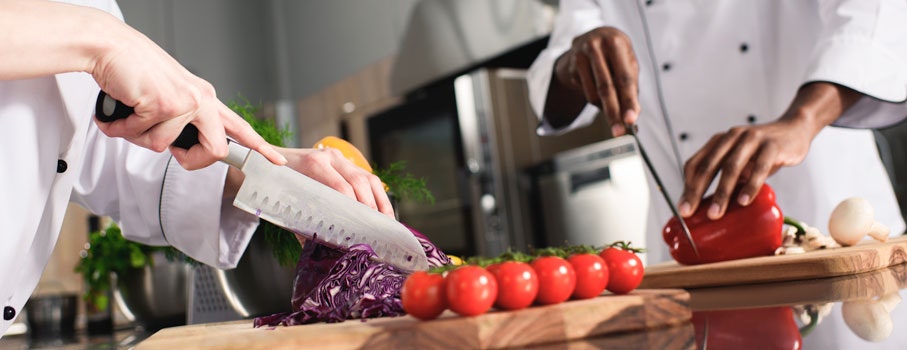
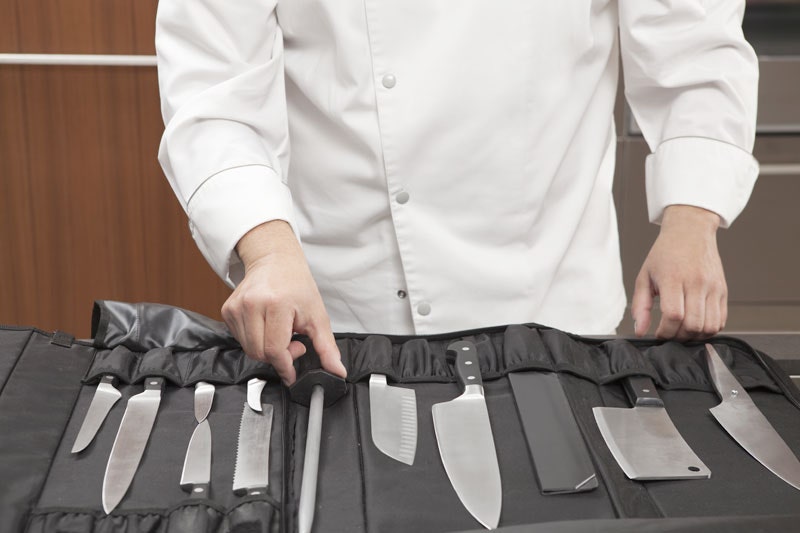
In ship kitchens, the use of basic kitchen knives remains fundamental. These typically include the chef’s knife, paring knife, utility knife, and serrated knife. These versatile tools cover a variety of food preparation tasks and are essential in any maritime kitchen.
When setting up a ship or yacht kitchen, the choice of knives is not just a matter of culinary preference, but also regulated by the Maritime Labour Convention (MLC). Ensuring a safe and efficient kitchen requires compliance with these guidelines.
Let’s explore which knives are commonly used in maritime kitchens and how MLC regulations impact this crucial aspect of onboard culinary operations.
Compliance with MLC Regulations:
MLC regulations emphasize the importance of ensuring a safe working environment for seafarers, including those in the kitchen. Knives used onboard must meet safety standards to minimize the risk of accidents and injuries.
Blade Materials:
MLC guidelines often recommend or require knives with blades made from durable and easy-to-maintain materials. Stainless steel is a popular choice due to its corrosion-resistant properties, crucial in maritime environments.
Non-slip Handles:
Knife handling is a critical safety concern, especially on a moving vessel. MLC regulations may require knives with non-slip handles to reduce the risk of accidents caused by ship movement.
To reduce the risk of contamination, it's important to separate knives used for different types of food—for example, avoid using the same knife for cutting raw meat and preparing vegetables without intermediate cleaning.

Handle Colors or Labeling:
To enhance food safety, using color-coded or labeled handles to indicate specific uses is preferred. For example, red for raw meat and green for produce.

An excellent Italian production of professional knives with a Color Coding System is the Supra and Tecna lines by Ambrogio Sanelli. The Color Coding System includes handles:
- Red: Raw meat
- Yellow: Cooked meat or poultry
- Blue: Fish
- Green: Fruits and vegetables
- White: Bread and dairy
- Brown: Cooked food
- Purple: Food allergies and Halal

Proper knife storage and safety are vital for MLC compliance. Knives should be securely stored to prevent them from becoming dangerous during rough seas. Magnetic bars, knife blocks, or dedicated storage areas are common solutions. Knife rolls or cases can also be useful.


Training and Certification: MLC regulations often require crew members to receive training on safe knife handling practices. Certification programs ensure that kitchen staff are competent in knife use and aware of safety protocols.
Periodic Inspections: Regular inspections of kitchen equipment, including knives, are conducted to ensure ongoing compliance with MLC regulations. This includes checking blade conditions, handles, and overall knife integrity.
Special Knives for Onboard Challenges: In addition to standard kitchen knives, specialized tools may be necessary for the unique challenges of the maritime environment. For example, filleting knives or specific fish blades may be essential for preparing fresh catches.
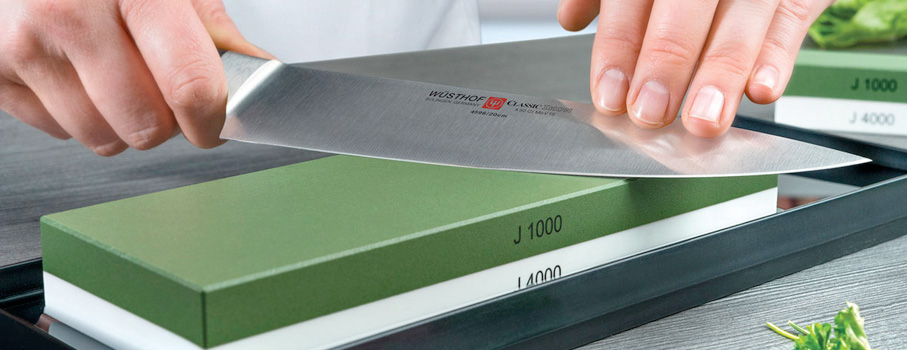
Maintenance Protocols: MLC regulations may outline maintenance protocols for knives to ensure optimal condition. Regular sharpening, inspection, and replacement of damaged knives contribute to overall safety and efficiency.
Setting up a ship or yacht kitchen requires not only culinary expertise but also a careful understanding of safety regulations, including those related to kitchen knives. Aligning with MLC guidelines allows maritime kitchens to create an environment that prioritizes both culinary excellence and crew well-being onboard.
- Cutting Boards: Durable and non-slip cutting boards for food preparation. Choose compact boards that are easy to store in the limited kitchen space.

If the yacht's kitchen is small, you can also opt for flexible cutting boards, always color-coded to facilitate use and hygiene in the kitchen.


-
- Can opener: A manual or electric can opener for opening canned goods.
-
- Grater: For grating cheese, vegetables, or other ingredients.
-
- Measuring spoons: Essential for accurate measurement of ingredients.
-
- Mixing bowls: Various sizes of bowls for mixing ingredients.
-
- Colander: For draining pasta, washing vegetables, and straining liquids.
-
- Dish towels: For cleaning surfaces and drying dishes.
-
- Bottle opener: For opening wine bottles and other bottled beverages.
-
- Whisk: For thoroughly mixing ingredients and incorporating air into mixtures.
-
- Peeler: For peeling fruits and vegetables.
-
- Oven gloves: Heat-resistant gloves for handling hot dishes and pans.
-
- Meat thermometer: To check the internal temperature of meat and ensure it is cooked safely.
-
- Pepper and salt grinders (for sea salt): For seasoning dishes with freshly ground salt and pepper. Always choose grinders with ceramic mechanisms to prevent oxidation.
-
- Kitchen scale: For precise measurement of ingredients, especially useful for baking.


-
- Induction cookware: Invest in high-quality induction-compatible pots and pans. We recommend Swiss Diamond non-stick pans and Paderno stainless steel pans with durable bases for optimal cooking performance.
-
- Storage solutions: Efficient storage is crucial on a ship. Use space-saving options such as stackable containers, vacuum bags, and compact shelves to make the most of limited space. For food preservation, invest in a quality vacuum sealing machine.

-
- Multifunction kitchen robots: Choose versatile food processors that can chop, slice, knead, mix, and blend. The HendiChef multifunction kitchen robot is an ideal tool. These devices can save time and space in the galley of a ship.

-
- Compact dishwashing solutions: Consider space-saving washing solutions such as compact dishwashers or efficient manual washing setups. This ensures that cleaning up after meals doesn't become a cumbersome task.
-
- Energy-saving appliances: Given the limited energy availability on a ship, choose high-efficiency appliances. Select equipment that maximizes functionality while minimizing energy consumption.
-
- Safety equipment: Prioritize safety by including fire extinguishers, first aid kits, and non-slip mats. Considering the unique challenges of the maritime environment, safety should always be a top priority.
-
- Weather-resistant materials: Choose kitchen equipment made from weather-resistant materials to withstand the harsh conditions at sea.
Setting up the kitchen of a ship or yacht requires careful planning to ensure functionality, safety, and efficiency.
By investing in the right tools and considering the unique challenges of a maritime environment, you can create a well-equipped kitchen that enhances the overall culinary experience on board.
If you would like advice or personalized quotes for equipping your boat, ship, or yacht, do not hesitate to contact us at info@afcoltellerie.com or call +39 (0)51 811732