
 IT
IT FR
FR


 IT
IT FR
FREverything you need to know about the Gyuto knife
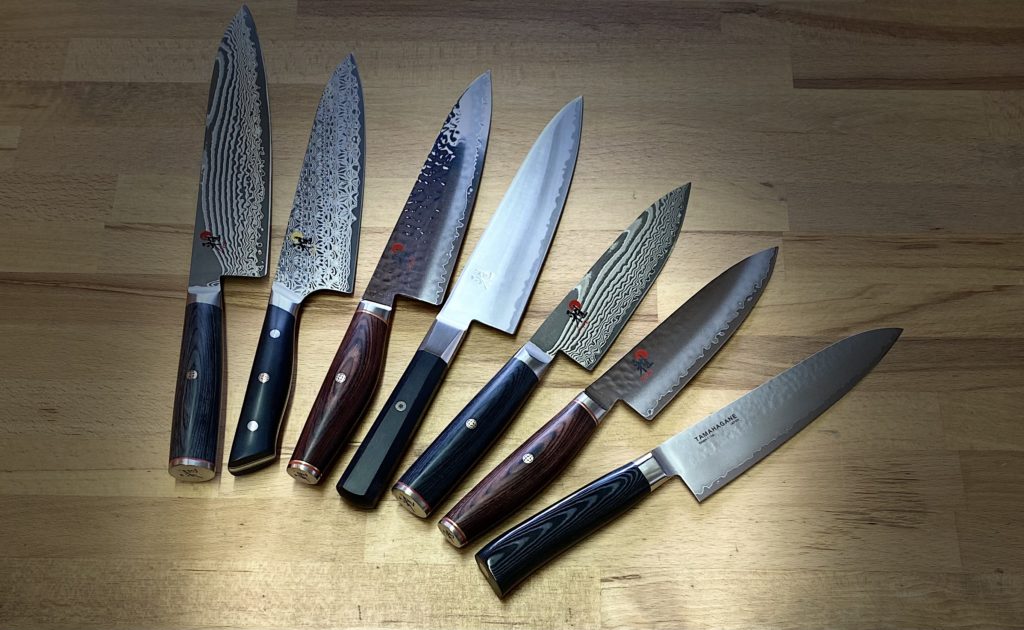
The Gyuto is a chef's knife.
What does Gyuto mean?
The Gyuto, literally translated as "cow blade" or "beef sword," is a knife meant to slice and separate big chunks of beef, hence its name, as it was originally used mostly in Japan.
The Gyuto is one of the most useful and important knives a chef can own.
It isn't all Japanese, though.
The Gyuto, which is a hybrid of the Japanese Nakiri and the chef's knife, is Japan's answer to the European chef's knife.
One of the most important tools in the kitchen is the chef's knife.
Gyuto knives, like the standard Western-style chef's knife, are typically heel-high, with a relatively flat profile at the heel for cutting, a belly toward the tip of the blade for precise cutting, and a pointed enough tip for precision cutting jobs.
The Gyuto is one of those knives that can do a wide range of tasks.
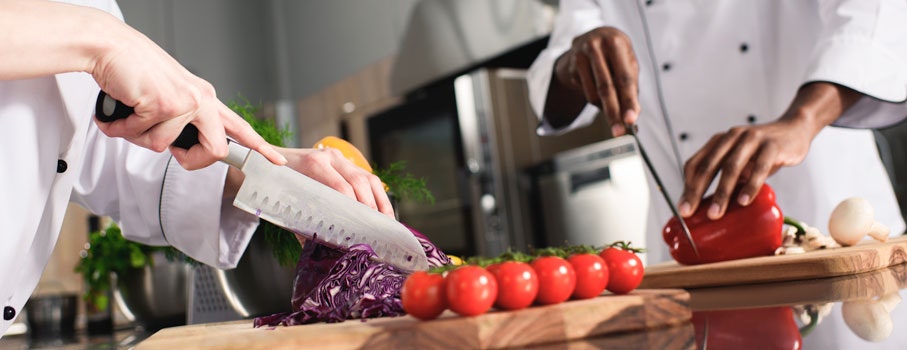
It can be used on a variety of foods, including meat, vegetables, fruit, and herbs.
.
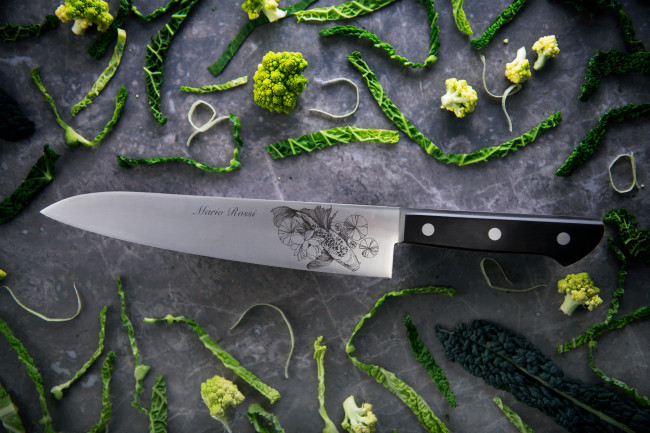
It can slice, chop, julienne, dice, and even separate meat cuts.
What is the appearance of a Gyuto knife?
The blade of the Gyuto is smaller, lighter, and sharper than that of a western chef's knife, making it easier to use and the ideal instrument for creating any dish.
The Gyuto is not ideal for heavy work since it is thinner and the steel used to manufacture it is tougher than that used to make a Western chef's knife. If you use the blade to cut bones or crush garlic, for example, the wire may chip, crack, or otherwise be damaged.
It is longer than most knives, measuring between 18 and 27 cm in length, with some examples measuring as little as 16 cm and as much as 30 cm in length. There's a reason it's called a meat sword!
It is double beveled, unlike most traditional Japanese knives. This indicates that the blade has been honed on both sides. The tip is sharp and low, and it is close to the center of gravity.
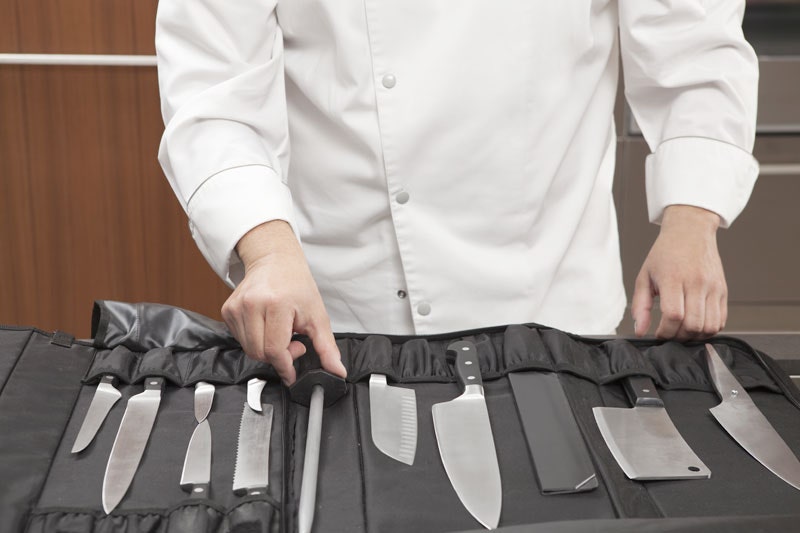
It's ideal for detailed work because of this. When cutting, the majority of the blade makes contact with the cutting board, so there's no need to lift it high. It's extremely light, making it perfect for delicate tasks like slicing vegetables and meat. It struggles with solid materials like thick meats and bones. For cartilage and bone cuts, you'll need a cleaver.
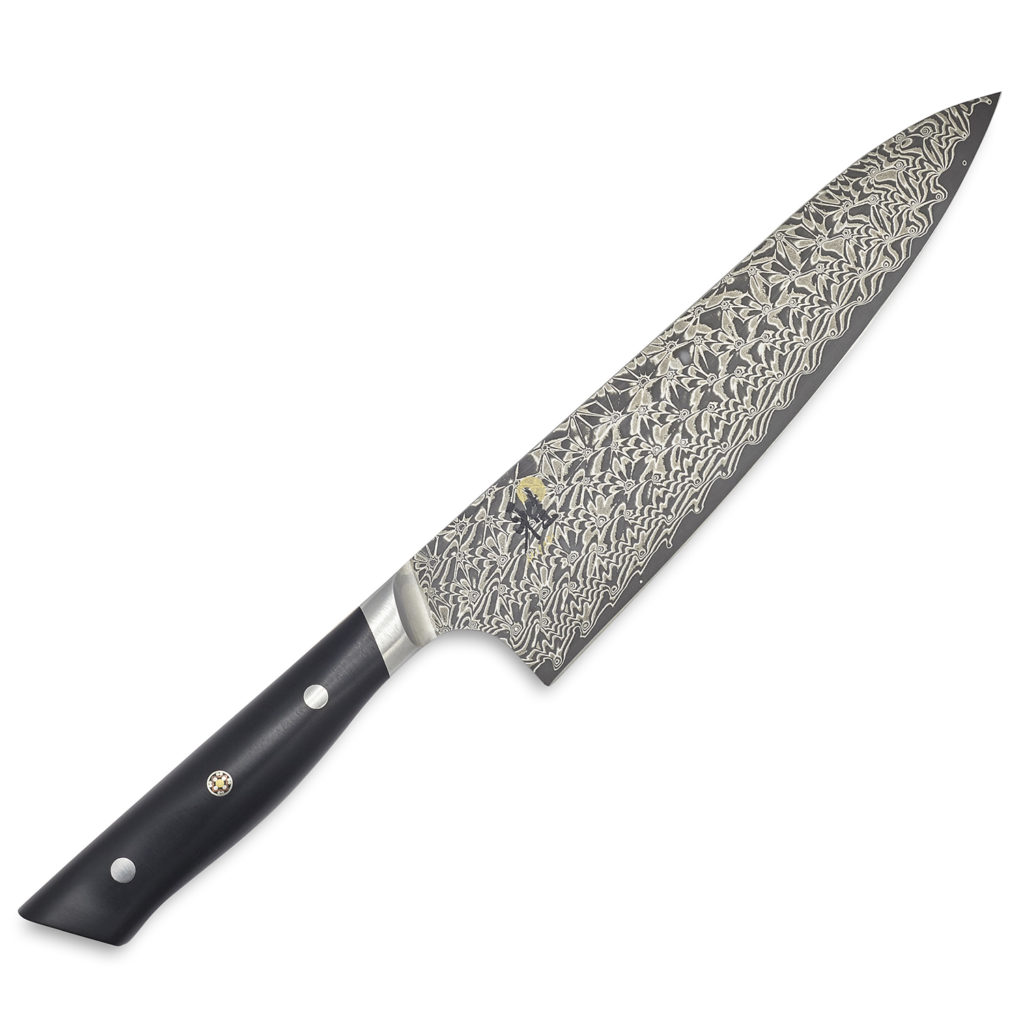
For most people, a Gyuto is the only knife they need in the kitchen.
The Gyuto knife is well-suited to smooth cutting, but it's also effective for shredding, making it a fantastic all-around choice and an ideal knife style, size, and shape to consider when establishing your own collection.
Handle
The Gyuto comes with either a Western-style or a Japanese-style handle. A Wa-Gyuto is a Gyuto with a Japanese-style handle.
The D, oval, and octagonal shapes are the most prevalent. While some people prefer the ergonomic handle to the D-shaped or octagonal handle, it is a personal preference.
What cuts should you make with the Gyuto knife?
Gyuto knives are used as traditional chef knives throughout Japan and have a global reputation. Gyuto knives, with their thin blades, improved edge retention, and light maneuverability, are among the most versatile chef's knives on the market.
Gyuto knives, thanks to their dynamic and professional manufacturing, can be used for:
Meat or fish cutting:
The blades are simple to maintain, allowing for a focused, sharp blade that delivers clean, fast, and proper cuts for meat or fish.
Working with Vegetables - Because of the long-lasting blade retention, you can cut vegetables with your gyuto knives without fear of blunting the blade.
Multipurpose Kitchen Knife - Gyuto knives, which are multipurpose in nature, are similar to traditional Western chef knives. This means they can be used for nearly any aspect of kitchen work.
A sharp and well-kept Gyuto knife can do it all, from chopping to dicing to slicing.
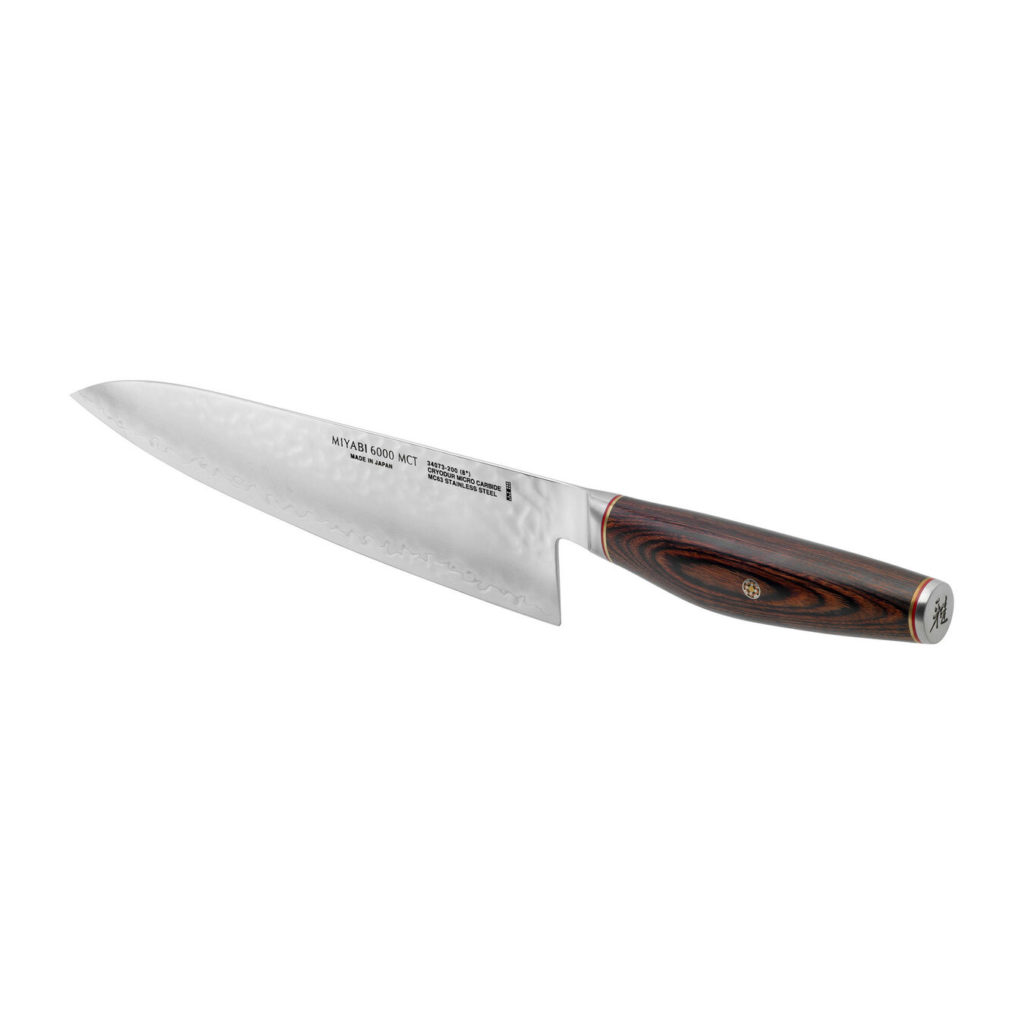
What exactly is the distinction between a Gyuto and a chef's knife?
Simply put, the Gyuto and Western chef's knives differ in that the Gyuto has a thinner, lighter, and sharper blade. Gyuto knives are also typically made of much harder steel and hold an edge better than thicker, heavier Western chef's knives.
The profile of the blade
Due to the fact that Gyuto knives are Western-inspired, the profile can be German or French.
A German-style Gyuto knife has a broad, round belly ideal for rocking cuts, whereas a French profile has more space in its flat part and a firmer belly ideal for push cutting.
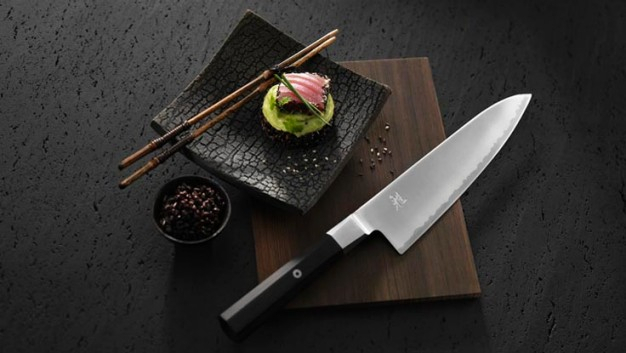
How should I care for my Gyuto knife?
When purchasing a Gyuto knife, consider how you will care for and maintain your Gyuto knife.
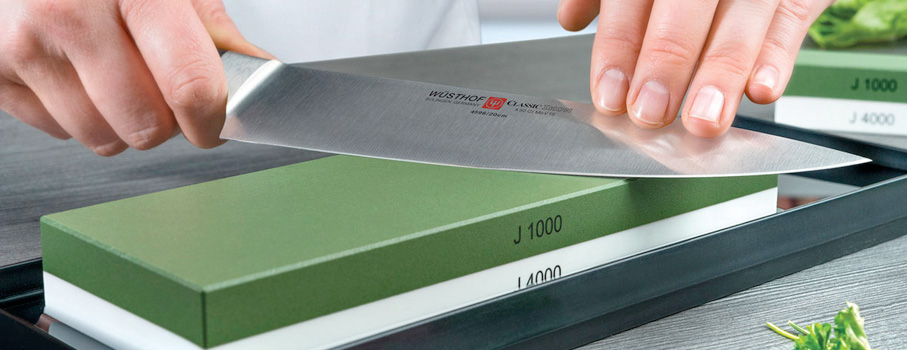
To avoid rust and corrosion, Gyuto knives must be sharpened with a whetstone and manually washed and dried after each use.
If you have manual skills in this type of sharpening, you should use the stone; otherwise, it is best to rely on a paid sharpening service by certified sharpening professionals, which may be a simpler choice.