WORLDWIDE SHIPPING

 IT
IT FR
FR


 IT
IT FR
FR Share
Share

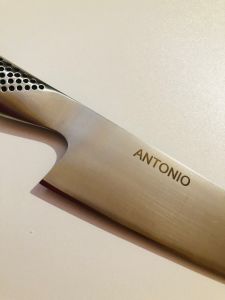

Chef's Case with Japanese Classic knives Fox Cutlery
was
€214.80
Special Price
€193.00
€158.20
Availability:
Out of stock
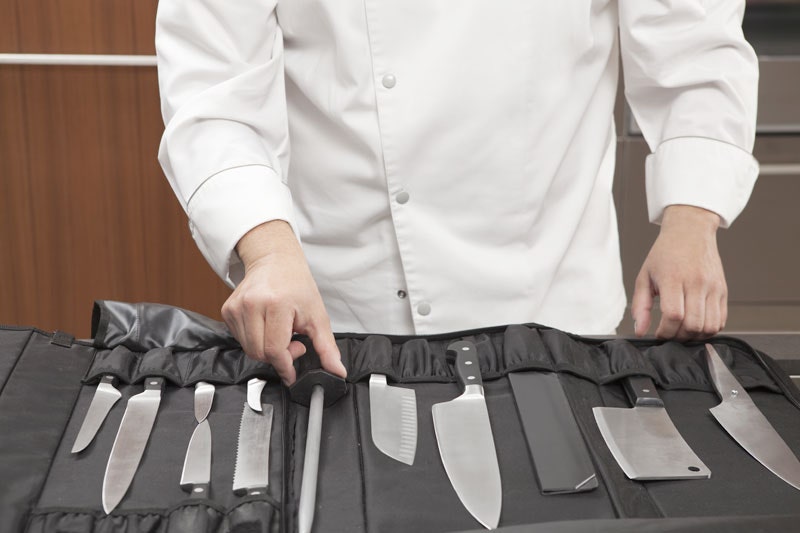
Case with Classic Japanese knives.
These knives are traditionally made for Japanese cooking:
Deba: cutting edge on one side kitchen cleaver type, blade 16,5 cm.
Nakiri: double cutting edge for vegetables, blade 17,5 cm.
Santoku: double cutting edge for vegetables, meat, fish, blade 17,5 cm.
Yanagiba or Sashimi: cutting edge on one side to slice sashimi or cut fish in fillets, blade 21 cm.
Pankiri:serrated knife, blade 22 cm.
Gyuto: perfect to prepare Sushi. Excellent to cut all types of fish, but also meat and vegetables.
Oriental shape, but to be considered as the classic European cook-kitchen knife.
Magnolia wood handle, Japanese steel SUS 420J2, very sharp edge.
Zwilling washable case fit for 7 knives.
These knives are traditionally made for Japanese cooking:
Deba: cutting edge on one side kitchen cleaver type, blade 16,5 cm.
Nakiri: double cutting edge for vegetables, blade 17,5 cm.
Santoku: double cutting edge for vegetables, meat, fish, blade 17,5 cm.
Yanagiba or Sashimi: cutting edge on one side to slice sashimi or cut fish in fillets, blade 21 cm.
Pankiri:serrated knife, blade 22 cm.
Gyuto: perfect to prepare Sushi. Excellent to cut all types of fish, but also meat and vegetables.
Oriental shape, but to be considered as the classic European cook-kitchen knife.
Magnolia wood handle, Japanese steel SUS 420J2, very sharp edge.
Zwilling washable case fit for 7 knives.
FAQs