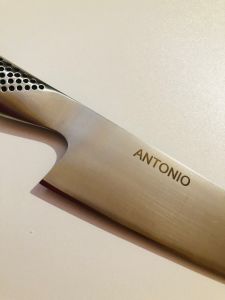
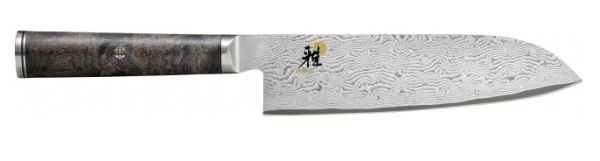
132 layers surrounding an MC66 powder steel core. Meets the exacting requirements of exceptional sharpness, stability and cutting edge retention. The MIYABI 5000MCD 67 series is a stunning example of the finest Japanese craftmanship. The knife features an ice-hardened, 66 HRC hardness powder steel core blade surrounded by 132 layers of steel. - CRYODUR® ice-hardened blade at -196C for extreme hardness and corrosion resistance - 66 HRC hardness for exceptional sharpness and edge retention - 132 layers create the flower Damascus design of the blade - Symmetrically honed cutting edge - Traditional D-shaped handle made of Black Ash wood
FAQs
What characterises the MIYABI 5000MCD?
The MIYABI 5000MCD is a premium Miyabi line with strong Japanese identity and high-end cutting performance.
What characterises the MIYABI 5000MCD 67?
The MIYABI 5000MCD 67 is a premium Miyabi line with strong Japanese identity and high-end cutting performance.
Who is this series recommended for?
It is recommended for advanced users and professionals seeking precision and premium quality.
What is it ideal for?
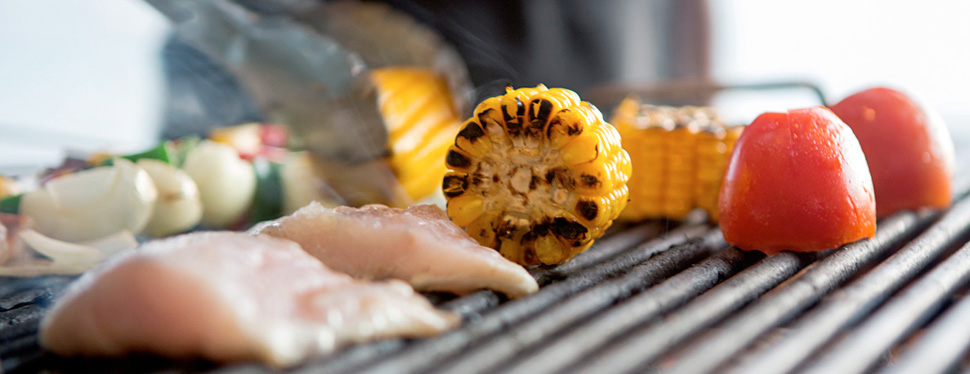
It is ideal for precise preparation work on vegetables, fish and meat.
How should it be maintained?
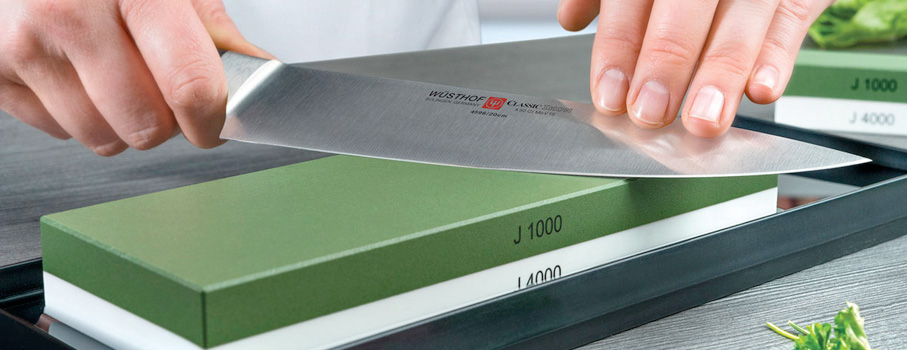
Hand washing, immediate drying and whetstone sharpening are recommended.
What distinguishes Miyabi knives?
Miyabi combines very hard steels (MC63, MC66, FC61), Damascus construction and handcrafted finishes. It spans from accessible Japanese-style knives to ultra-premium pieces.
How do Miyabi series differ?
They differ in steel, layering and target: 5000MCD 67 is the most extreme, 5000MCD more balanced, 5000FCD more practical, 6000MCT more work-oriented, 4000FC more accessible and HIBANA more universal.
Who are Miyabi knives for?
They suit users seeking precision and premium quality, from advanced home cooks to professionals depending on the series.
How to choose the right series?
Choose based on experience: daily use → 4000FC / 5000FCD; higher performance → 6000MCT / 5000MCD; top-tier → 5000MCD 67; Western grip → HIBANA.
How should Miyabi knives be maintained?
Hand wash, dry immediately and sharpen on whetstones. Harder steels require more care.
What distinguishes Japanese knives from Western ones?
Thinner geometries, sharper edge angles and an approach focused on precision and clean cutting.
Santoku or Gyuto: which should you choose?
The santoku is compact and versatile for everyday use; the gyuto is closer to a classic chef’s knife and is ideal for long cuts and sustained work.
Are Japanese knives more delicate?
Yes, they often require more care: they are not suitable for bones, frozen foods or twisting, but offer superior cutting performance when used correctly.
How do you properly sharpen a Japanese knife?
Whetstone sharpening is ideal: a medium grit for maintenance and a finer grit for finishing, adapting the choice to the steel and usage.