WORLDWIDE SHIPPING

 IT
IT FR
FR



 IT
IT FR
FR Share
Share


Executive Chef Case: Case with positions complete with knives and accessories Global
€2,240.00
€1,836.07
Availability:
In stock
The excellence of a great kitchen is coordinated by the Executive Chef's ability to create dishes, develop the menu, search for the best ingredients, handle the workmanship, and research the best equipment to make the kitchen team work the best.
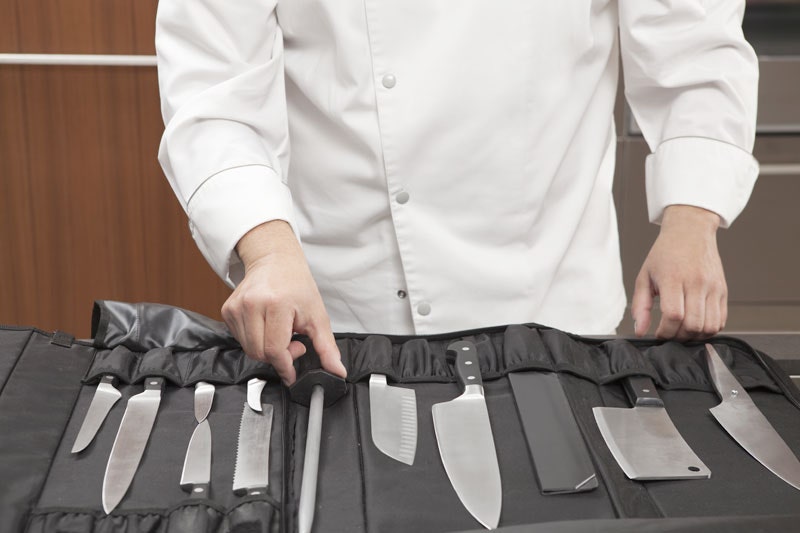
This Case contains knives and accessories Global to the top for the processing of their plates, without compromising cutting, to the precision of the instruments:
The Global case includes the following knifes and accessories:
n. 1 Global GS20 Fish tweezer
n. 1 Global GSF31 with blade cm. 8
n. 1 Global GS7 Vegetable knife balde cm. 10
n. 1 Global GS8 knife with blade cm.7
n. 1 Global GS82 Knife flexible with blade cm. 14.5 cm
n. 1 Global GS5 Small knife with blade cm. 14
n. 1 Global GF24 Forged fork length cm. 30
n. 1 Global GF31 Boning knife forged cm. 16
n. 1 Global GF37 Forged cookie knife blade cm. 22
n. 1 Global GF34 Forged cookie knife blade cm. 27
n. 1 Global G2 Cook knife blade cm. 20
n. 1 Global G3 Sliced knife blade cm. 21
n. 1 Global G5 Nakiri knife blade cm. 18
n. 1 Global G16 Cook knife blade cm. 24
n. 1 Global GS21/6 Spatula cm. 15
n. 1 Global GS27 perforated pallet
n. 1 Global GS28 Tweezer for chef
n. 1 Global G45 Ceramic sharpener cm. 25
n. 1 Global G9 knife with blade waved cm. 22
n. 1 Global G20 knife with flexible blade cm. 21
n. 1 Global G21 knife blade cm. 16
This Case contains knives and accessories Global to the top for the processing of their plates, without compromising cutting, to the precision of the instruments:
The Global case includes the following knifes and accessories:
n. 1 Global GS20 Fish tweezer
n. 1 Global GSF31 with blade cm. 8
n. 1 Global GS7 Vegetable knife balde cm. 10
n. 1 Global GS8 knife with blade cm.7
n. 1 Global GS82 Knife flexible with blade cm. 14.5 cm
n. 1 Global GS5 Small knife with blade cm. 14
n. 1 Global GF24 Forged fork length cm. 30
n. 1 Global GF31 Boning knife forged cm. 16
n. 1 Global GF37 Forged cookie knife blade cm. 22
n. 1 Global GF34 Forged cookie knife blade cm. 27
n. 1 Global G2 Cook knife blade cm. 20
n. 1 Global G3 Sliced knife blade cm. 21
n. 1 Global G5 Nakiri knife blade cm. 18
n. 1 Global G16 Cook knife blade cm. 24
n. 1 Global GS21/6 Spatula cm. 15
n. 1 Global GS27 perforated pallet
n. 1 Global GS28 Tweezer for chef
n. 1 Global G45 Ceramic sharpener cm. 25
n. 1 Global G9 knife with blade waved cm. 22
n. 1 Global G20 knife with flexible blade cm. 21
n. 1 Global G21 knife blade cm. 16
FAQs