WORLDWIDE SHIPPING
Share

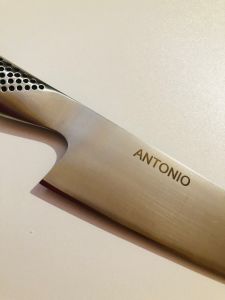
Global G50 Chinese cleaver vegetable knife

€305.00 €250.00
Availability: In stock
Knife used in Oriental cooking to cut vegetables, meat and fish, realized by Global with a high quality steel, an excellent design and lightness.
Dimensions blade length 20 cm.
Total length 30 cm.
FAQs
What is the G Series designed for?
The G Series is Global’s most iconic line, created to provide an ideal balance between versatility, precision and ease of use. It performs well in both everyday and more refined kitchen tasks.
Which knives best represent the G Series?
Chef and santoku knives are the most representative models of the G Series. Their shape and balance make them suitable for meat, fish and vegetables.
Who should choose the G Series?
This series is suitable for professionals as well as advanced home cooks looking for a reliable and all-purpose knife.
How should G Series knives be maintained?
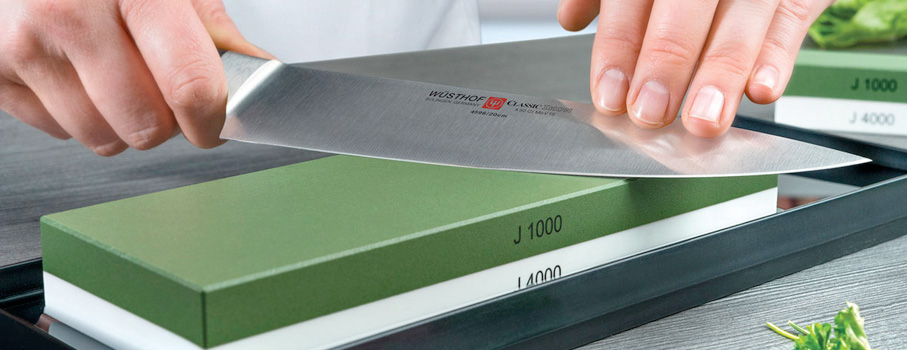
Regular sharpening on whetstones and the use of proper cutting boards are recommended, avoiding dishwashers and very hard surfaces.
Who is the Classic Series designed for?
It is the most versatile line, ideal for those seeking a balance between professional performance and ease of everyday use.
Which Classic knives cover everyday use?
A chef or gyuto knife as the main tool, complemented by a paring knife and a bread knife.
How does it feel compared to other Global lines?
It focuses on lightness and agility, offering intuitive control that makes it suitable even for first-time users.
Is the Classic Series suitable for beginners?
Yes, provided it is used correctly: proper cutting boards, no bones or frozen foods, and regular maintenance.
What makes Global knives recognisable?
The seamless stainless steel design and the distinctive dimpled anti-slip handle, combined with thin, well-balanced blades.
What distinguishes Japanese knives from Western ones?
Thinner geometries, sharper edge angles and an approach focused on precision and clean cutting.
Who are Global knives suitable for?
They are ideal for those seeking lightness, manoeuvrability and precision, both in professional kitchens and advanced home use.
Santoku or Gyuto: which should you choose?
The santoku is compact and versatile for everyday use; the gyuto is closer to a classic chef’s knife and is ideal for long cuts and sustained work.
What type of maintenance do they require?
Hand washing, immediate drying and regular sharpening are recommended. Avoiding aggressive tools and unsuitable surfaces helps preserve the edge longer.
Are Japanese knives more delicate?
Yes, they often require more care: they are not suitable for bones, frozen foods or twisting, but offer superior cutting performance when used correctly.
Which models are considered essential?
A main knife (chef or gyuto), a paring knife and a serrated bread knife cover most kitchen needs.
How do you properly sharpen a Japanese knife?
Whetstone sharpening is ideal: a medium grit for maintenance and a finer grit for finishing, adapting the choice to the steel and usage.
Chat with us