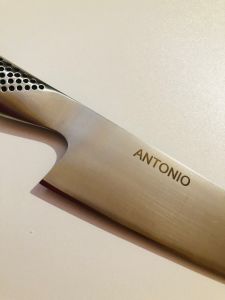
The Japanese company Tojiro wanted to apply advanced construction techniques and modern materials, combined with the high Japanese quality to obtain good quality knives suitable for cooks, chefs and professionals in the sector. The knives are built with VG-10 steel with 3 layers of Damascus on the cutting edge, blade length 17 cm. ensuring an excellent edge. Forged in one piece. The fineness of the blade will give a knife for the ability to cut strong and perfect balance. Nakiri knife with blade length cm. 17.
Shipping times: 5-7 days
FAQs
What truly distinguishes Tojiro knives?
Tojiro is one of the Japanese brands most focused on the balance between performance and real accessibility. Unlike brands that emphasise design or premium positioning, it focuses on substance: high-performance steels, efficient blade geometry, and reliable construction. This makes it a reference point for those seeking an authentic Japanese knife without entering overly exclusive territory.
What is the Tojiro philosophy?
A strongly pragmatic approach: to maximise performance at each price point while maintaining authentic Japanese cutting principles. The result is a very practical range where every design choice directly impacts real use.
Who are they recommended for?
Advanced users, enthusiasts, and professionals looking for reliable performance. They are also an excellent choice for those transitioning from Western knives to Japanese ones without immediately moving to more demanding blades.
What are they ideal for?
Ideal for advanced daily use and light professional work: line prep, precision cutting, and repetitive kitchen tasks.
How should they be maintained?
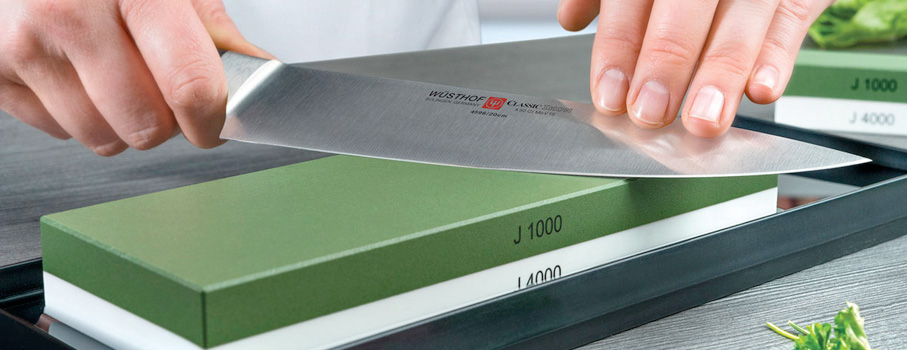
Hand wash, dry immediately, and sharpen regularly using whetstones. Some series may require extra care depending on the steel used.
What distinguishes Japanese knives from Western ones?
Thinner geometries, sharper edge angles and an approach focused on precision and clean cutting.
Santoku or Gyuto: which should you choose?
The santoku is compact and versatile for everyday use; the gyuto is closer to a classic chef’s knife and is ideal for long cuts and sustained work.
Are Japanese knives more delicate?
Yes, they often require more care: they are not suitable for bones, frozen foods or twisting, but offer superior cutting performance when used correctly.
How do you properly sharpen a Japanese knife?
Whetstone sharpening is ideal: a medium grit for maintenance and a finer grit for finishing, adapting the choice to the steel and usage.