Kasumi HM Hammered Santouku Small
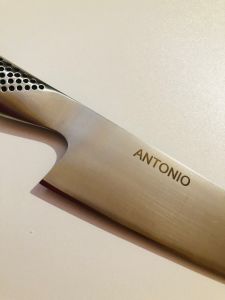
Recent production of Kasumi. Innovation in the kitchen also meets the evolution of the production techniques of kitchen knives, which thanks to the benefit of the latest technological advances allows the technology to produce excellent Japanese knives. Kasumi has created a series of knives with sandwich blade, with 410 stainless steel exterior and inside the cutting edge in Japanese VG10 stainless steel, with high carbon content, ensuring a cutting hardness of HRC 59-60 for an effective and long-lasting wire. blade was then hammered on each side, after a hot forging. The irregular hammered design creates a non-stick effect, preventing food from sticking to the blade. The handle is made of POM, a resin, which make it comfortable, resistant, hygienic and long lasting Production in Seki, Japan. Small santoku knife with blade cm. 13 for small cuts in the kitchen of vegetables, meat and fish. Shipping time: 7 days
FAQs
What characterises the HM Hammered series?
The hammered finish, or tsuchime, is not merely decorative. It creates small surface indentations that help reduce drag and improve food release during cutting. This gives the HM Hammered series a more functional identity than it may seem at first glance.
Who is it recommended for?
It is recommended for users who frequently work with vegetables, herbs or moist ingredients that tend to stick to the blade. It is especially appreciated by advanced users who want a blade with a clear practical function in addition to its visual appeal, and by those who see cutting fluidity as a real operational advantage.
What is it ideal for?
It is excellent for vegetables, herbs, thin slicing and any preparation where continuity of motion makes a difference. Its strength becomes especially clear when food release affects working rhythm, reducing slowdowns and the need for constant adjustment during prep.
How should it be maintained?
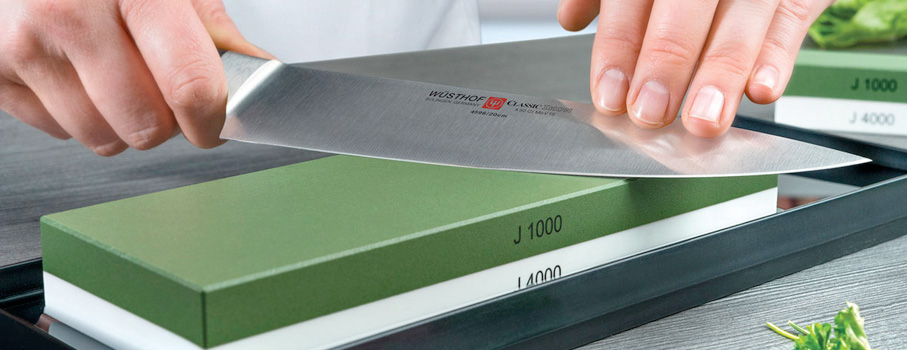
Maintenance is similar to that of other VG-10-based lines, but special care should be taken not to damage the hammered surface with overly aggressive tools or cleaning products. Hand washing, immediate drying and whetstone sharpening remain the best way to preserve both performance and finish.
What truly distinguishes Kasumi knives within the Japanese knife market?
Kasumi occupies a very interesting position because it strikes a balance between Japanese tradition and real-world accessibility. Its use of VG-10 steel, often combined with Damascus-style layering, allows for strong edge retention and refined cutting performance without necessarily reaching the most extreme hardness levels, which can make a knife more demanding to handle. This makes Kasumi a brand that offers aesthetics, precision and reliability, while remaining more approachable than more elite and demanding lines.
How should the differences between Kasumi series be understood?
Kasumi series differ not only in appearance, but also in their philosophy of use. The Damascus VG-10 line represents the brand’s balance of tradition and visual appeal; VG-10 Pro is geared toward more professional, continuous use; HM Hammered adds a functional benefit in food release; Titanium and Ceramic explore alternative materials; while Tora offers an easier entry point into Japanese knives. Understanding these differences is essential in order to choose based on use, rather than on looks alone.
Who is Kasumi, as a brand, really suited for?
Kasumi is particularly well suited to users who want to enter the world of Japanese knives with serious tools, but without immediately moving into the most extreme premium segment. It is ideal for advanced home cooks, enthusiastic users and also for less demanding professional environments, where a good balance of performance, durability and ease of maintenance matters.
How should someone choose the right Kasumi series in an informed way?
The choice should begin with actual use. Those who cook frequently and want strong performance may prefer VG-10 Pro or HM Hammered; those drawn to aesthetics and tradition may lean toward Damascus VG-10; users seeking greater ease of use may choose Tora; and those with specific needs may consider Ceramic or Titanium. The real question is not which line is objectively best, but which one best matches the way the knife will actually be used.
What is the right maintenance approach for Kasumi knives?
Kasumi knives require the kind of care typically associated with Japanese knives, although the level of tolerance varies depending on the series. VG-10-based lines require more attention in sharpening and everyday use, while series such as Tora or Titanium tend to be slightly more forgiving. In every case, hand washing, immediate drying and the use of suitable cutting boards remain essential.
What distinguishes Japanese knives from Western ones?
Thinner geometries, sharper edge angles and an approach focused on precision and clean cutting.
Santoku or Gyuto: which should you choose?
The santoku is compact and versatile for everyday use; the gyuto is closer to a classic chef’s knife and is ideal for long cuts and sustained work.
Are Japanese knives more delicate?
Yes, they often require more care: they are not suitable for bones, frozen foods or twisting, but offer superior cutting performance when used correctly.
How do you properly sharpen a Japanese knife?
Whetstone sharpening is ideal: a medium grit for maintenance and a finer grit for finishing, adapting the choice to the steel and usage.