WORLDWIDE SHIPPING
Share

Knife Sharpener Professional T-2 Pro Kitchen by Tormek

€879.00 €720.49
Availability: In stock
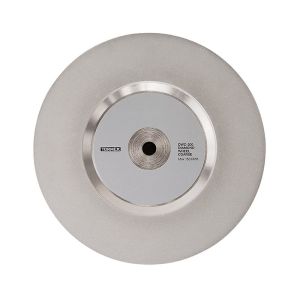
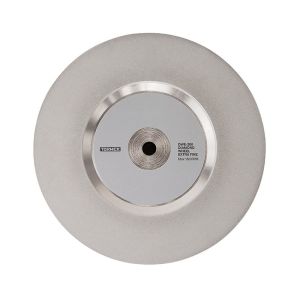
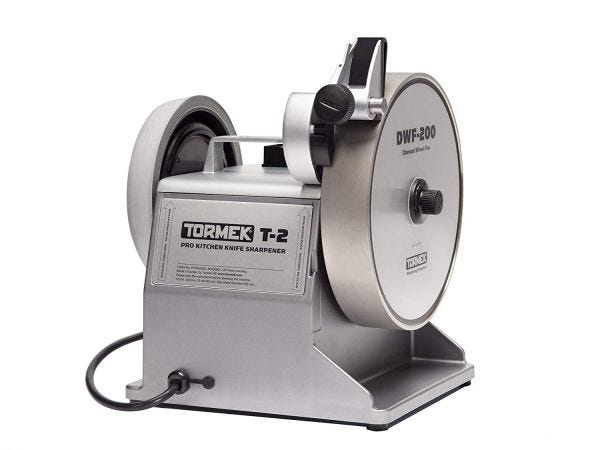
The Knife Sharpener Professional T-2 Pro Kitchen by Tormek has been specially designed to meet the professional demand for sharpening and ease of use. Get sharp knives, just when you need them! With the T-2 Pro Kitchen sharpener, you get a professional adjustment. The concept is a further development of diamond stone, which in combination with an innovative (patented) guide system allows you to have full control of sharpness. The advantages of the professional T-2 Pro Kitchen sharpener are: Quick and easy installation. - Professional sharpening. Possibility to adjust the sharpening angle from 16 ° to 44 °, with a knife height from 14 to 60 mm and a max blade thickness of 3.5 mm. - Always get the same sharpening angle. - Diamond Wheel diamond wheel - for maximum sharpness. - Composite wheel - for polishing. - Full control of the knives during sharpening. - Quick sharpening, one minute is enough. - Silent knife sharpener - In the device there is a magnet in the part towards the grinding wheel that holds the sharpening dust. Dimensions: Width 240 mm, Depth 210 mm, Height 285 mm. Weight: 6.3 kg Wheel: Tormek Diamond Wheel Fine DWF-200, ∅ 200 × 40 mm, 120 rpm Composite wheel: PW160 to remove the dead wire ∅ 160 × 30 mm Body: anti-shock ABS with top cover in zinc. Motor: Industrial single-phase, 120 W (power absorbed). 230 V, 50 Hz. Use 30 minutes / hour. Without maintenance. Silent, 54 dB. Duration: 10,000 hours. Warranty: 7 years. If used for a professional sharpening service, the warranty is 2 years. Use and maintenance manual. Post-it for wheel cleaning. Shipping time: 15 days
FAQs
Why is it important to sharpen knives?
A sharp knife is safer and more efficient: it requires less force and delivers precise cuts. A dull blade can slip and increase the risk of accidents.
How often should I sharpen my knives?
It depends on how often you use them and the type of blade. Generally, regular honing with a honing steel is recommended, along with deeper sharpening every few months or when the knife loses effectiveness.
Should I use a honing steel or a sharpener?
A honing steel maintains the edge and prolongs the life of the knife, but it doesn’t actually sharpen. To restore the edge, you need a sharpener (manual, electric, or whetstone). The ideal routine is to use both: the honing steel for daily care, the sharpener for periodic maintenance.
What’s the difference between a smooth, grooved, or ceramic honing steel?
A smooth steel realigns the edge without removing metal. A grooved one has a slightly abrasive action, taking off a small amount of material. A ceramic steel is gentler and suitable even for hard blades like Japanese knives.
How do you correctly use a honing steel?
Hold the steel vertically and draw the blade across both sides at a 15–20° angle using light, steady strokes. Just a few passes are enough to maintain the edge.
Can I sharpen any type of knife?
Almost all types, but be careful with serrated or ceramic blades: they require specific tools or techniques. Always check the manufacturer's guidelines or ask us for advice.
Who are sharpening machines for?
For anyone who sharpens a lot of knives on a regular basis: butcher shops, charcuterie workshops, restaurant and hotel kitchens, canteens and resellers. The category includes professional machines for heavy use, such as the Dick models, and semi-professional machines such as the Tormek T-2 or compact belt sharpeners, which suit smaller kitchens or serious home cooks. Compared with hand-held sharpeners, they work faster and handle larger volumes.
Belt, wheel or water-cooled: what's the difference?
Belt machines use a replaceable abrasive belt: they remove metal quickly, and you change grit by changing the belt. Wheel machines use abrasive wheels, often with separate stations for sharpening and polishing. Water cooling stops the blade from overheating while it is being sharpened: too much heat can damage the steel's temper and shorten edge life. That makes it important on machines that run for long periods at high speed.
How do I choose the right machine?
Start with how many knives you sharpen and how often, then the types of blade (boning, chef's, Japanese, butcher's knives), and finally the space and power supply available. Also check which spare parts and consumables exist for the model, such as belts, wheels and guides, and what they cost over time: they are part of the real cost of the machine.
Is a sharpening machine suitable for every knife?
No. Each machine is designed for certain angles, thicknesses and blade types. Very thin or very hard Japanese blades, single-bevel knives and serrated blades may need a specific model or a different system. Some machines offer dedicated accessories, such as kits for Asian blades or scissor-sharpening jigs. Compatible blades are listed on each machine's product page.
Can I find spare parts and consumables for my machine?
For Dick machines, especially the SM-110 and SM-111, the catalogue includes a wide range of spare parts: grinding assemblies, guides, water trays, drive belts, seals and screws. Each part carries a position number (for example "Pos. 560") that matches the exploded diagram in the user manual: the safest way to order the right part is to check that number against your machine model. Replacement abrasive belts for the SM-100 and diamond wheels for the Tormek T-2 are also available.
How do I use and maintain a sharpening machine safely?
Read the manual before first use and set guides and guards as instructed. While working, guide the blade without forcing it: too much pressure removes more steel than necessary and heats the edge. At the end of the day, clean the machine, emptying the water trays and collecting metal residue, and check belts and wheels regularly: a worn abrasive works unevenly and should be replaced.
Chat with us