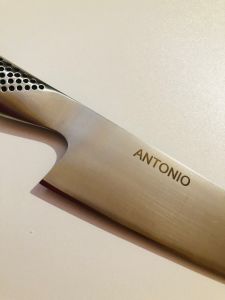
Bunmei knives are authentic Japanese kitchen knives made in stainless steel. Wood and traditional Japanese handle with chestnut shape conforming very well to the hand. Typical Japanese professional kitchen knives with wood handle. This Sashimi Yanagi knife has the blade with cutting-edge on one side and is more fit to cut and slice fish, in particular sushi. Manufactured by YOSHIKIN in Japan - the same company producing GLOBAL knives.
FAQs
What characterises the Global Bunmei Series?
The Bunmei Series is inspired by traditional Japanese knives, combining classic and functional shapes with Global’s quality and reliability.
What type of use is the Bunmei Series designed for?
It is designed for precise and traditional cutting tasks, particularly for fish and ingredients that require clean, controlled cuts.
Who is the Bunmei Series recommended for?
It is recommended for professionals and experienced enthusiasts who appreciate classic Japanese style and refined cutting techniques.
How should Bunmei knives be maintained?
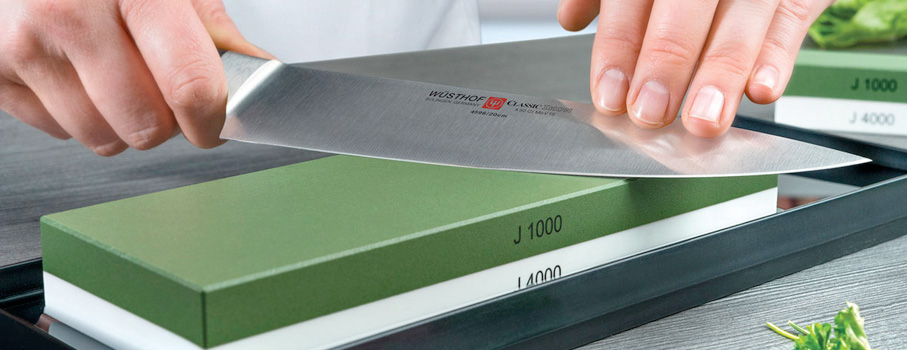
Regular sharpening on whetstones, proper cutting boards and careful use help preserve the blade geometry and sharpness.
What makes Global knives recognisable?
The seamless stainless steel design and the distinctive dimpled anti-slip handle, combined with thin, well-balanced blades.
What distinguishes Japanese knives from Western ones?
Thinner geometries, sharper edge angles and an approach focused on precision and clean cutting.
Who are Global knives suitable for?
They are ideal for those seeking lightness, manoeuvrability and precision, both in professional kitchens and advanced home use.
Santoku or Gyuto: which should you choose?
The santoku is compact and versatile for everyday use; the gyuto is closer to a classic chef’s knife and is ideal for long cuts and sustained work.
What type of maintenance do they require?
Hand washing, immediate drying and regular sharpening are recommended. Avoiding aggressive tools and unsuitable surfaces helps preserve the edge longer.
Are Japanese knives more delicate?
Yes, they often require more care: they are not suitable for bones, frozen foods or twisting, but offer superior cutting performance when used correctly.
Which models are considered essential?
A main knife (chef or gyuto), a paring knife and a serrated bread knife cover most kitchen needs.
How do you properly sharpen a Japanese knife?
Whetstone sharpening is ideal: a medium grit for maintenance and a finer grit for finishing, adapting the choice to the steel and usage.