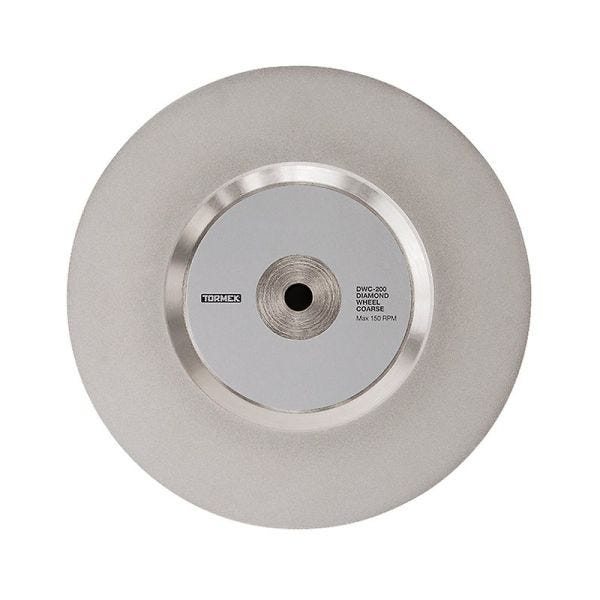
The Tormek DWC-200 Diamond Wheel Coarse is a coarse diamond grinding wheel designed for the Tormek T-2 Pro Kitchen Knife Sharpener.
Its 360 grit provides high material removal and is intended for quickly repairing a damaged cutting edge or changing the sharpening angle of a knife.
The wheel can sharpen steel, carbide and ceramic blades. The flat side of the wheel is also diamond coated.
After using the DWC-200, Tormek recommends continuing with the DWF-200 Diamond Wheel Fine or DWE-200 Diamond Wheel Extra Fine for a smoother surface, then completing the finish with the PW-160 Conical Composite Honing Wheel.
Features:
- Compatible with Tormek T-2 Pro Kitchen Knife Sharpener.
- Grit: 360.
- Diameter: 200 mm.
- Width: 40 mm.
- Material: steel with diamond coating.
- Colour: silver.
- Shipping weight: 2.80 kg.
- Suitable for steel, carbide and ceramic.
- High material removal rate.
- Designed for repairing damaged edges and changing sharpening angles.
- Warranty: 2 years.
The wheel is supplied assembled and ready to install.
FAQs
Why is it important to sharpen knives?
A sharp knife is safer and more efficient: it requires less force and delivers precise cuts. A dull blade can slip and increase the risk of accidents.
How often should I sharpen my knives?
It depends on how often you use them and the type of blade. Generally, regular honing with a honing steel is recommended, along with deeper sharpening every few months or when the knife loses effectiveness.
Should I use a honing steel or a sharpener?
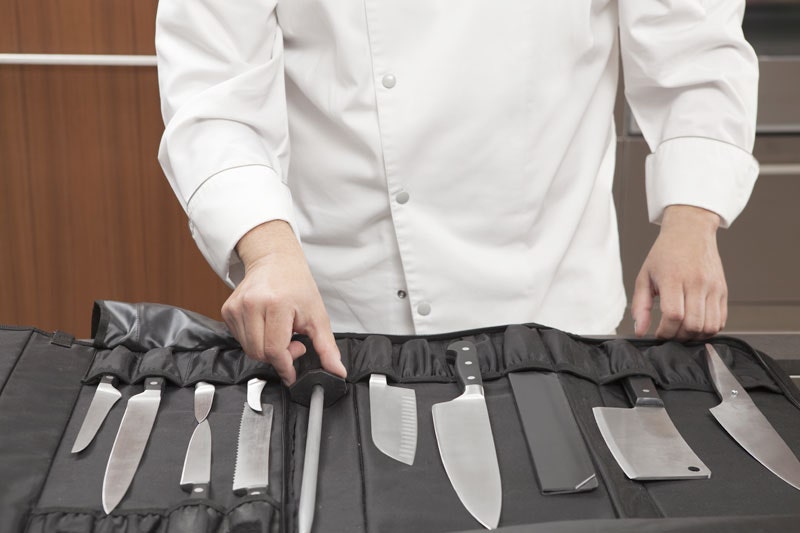
A honing steel maintains the edge and prolongs the life of the knife, but it doesn’t actually sharpen. To restore the edge, you need a sharpener (manual, electric, or whetstone). The ideal routine is to use both: the honing steel for daily care, the sharpener for periodic maintenance.
What’s the difference between a smooth, grooved, or ceramic honing steel?
A smooth steel realigns the edge without removing metal. A grooved one has a slightly abrasive action, taking off a small amount of material. A ceramic steel is gentler and suitable even for hard blades like Japanese knives.
How do you correctly use a honing steel?
Hold the steel vertically and draw the blade across both sides at a 15–20° angle using light, steady strokes. Just a few passes are enough to maintain the edge.
Can I sharpen any type of knife?
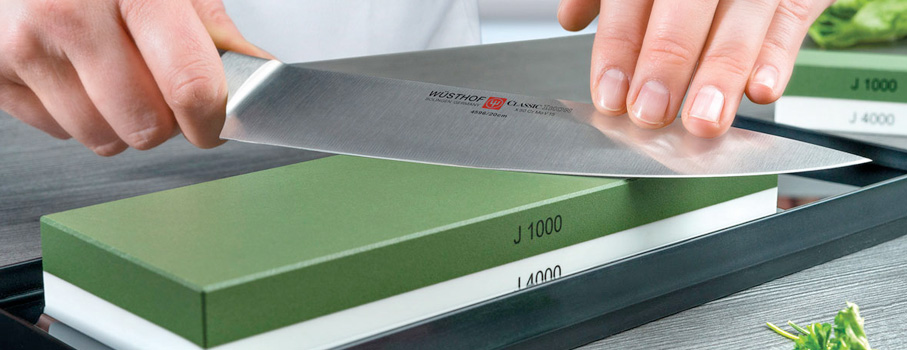
Almost all types, but be careful with serrated or ceramic blades: they require specific tools or techniques. Always check the manufacturer's guidelines or ask us for advice.