WORLDWIDE SHIPPING

 IT
IT FR
FR



 IT
IT FR
FR Share
Share

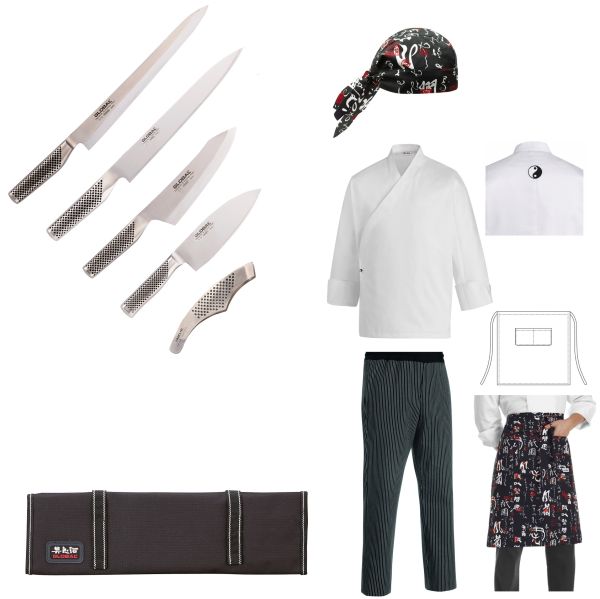
Valigetta Global Sushi Chef: Coltelli, pinza, abbigliamento da Cuoco
was
€788.70
Special Price
€630.90
€517.13
Availability:
In stock
Questa valigetta incontra l'esigenza sia del ristorante di sushi, che del sushi chef che lavora o sushiman, adatta all'evento organizzato dall'azienda di catering o del banchetto con pesce crudo da lavorare.
Valigetta ideale anche per il sushi bar, per la preparazione delle crudité di pesce, con all'interno i coltelli giusti per la lavorazione del pesce e l'abbigliamento per il sushi chef.
All'interno dell'avvolgibile di Global troverete:
n. 1 Coltello Yanagi Sashimi taglio giapponese da un solo lato di Global con lunghezza lama cm. 30 (G14)
n. 1 Coltello affettare modello Sashimi-Yo doppio filo di Global lunghezza lama cm. 25 (G47)
n. 1 Coltello Deba taglio giapponese da un solo lato di Global con lunghezza lama cm. 15 (G7)
n. 1 Coltello pesante taglio doppio robusto ottimo per il taglio della testa del pesce di Global lunghezza lama cm. 18 (G29)
n. 1 Pinza per spinare il pesce di Global lunghezza totale cm. 16 (GS29)
n. 1 Bandana JAP sagomata Fantasia giapponese 100% cotone
n. 1 Giacca cuoco Sushi White con bottone estraibile e patch Ying Yang sulla schiena Taglia L Composizione 100% Cotone
g. 190/mq Facile da stirare
n. 1 Pantalone Unisex gessato e regolabile con coulisse Taglia L Tessuto gessato. Composizione: 35% Cotone e 65% poliestere
Grembiule JAP con tascone 70x70 con fantasia giapponese Materiale: 100% Cotone
Dimensioni avvolgibile aperto larghezza cm 45 e lunghezza cm. 50
Dimensioni chiuso larghezza cm. 16 e lunghezza cm. 50
Per giacca e pantalone se si desidera ricevere taglia o colore diversi dopo l'ordine scrivere a info@afcoltellerie.com
Valigetta ideale anche per il sushi bar, per la preparazione delle crudité di pesce, con all'interno i coltelli giusti per la lavorazione del pesce e l'abbigliamento per il sushi chef.
All'interno dell'avvolgibile di Global troverete:
n. 1 Coltello Yanagi Sashimi taglio giapponese da un solo lato di Global con lunghezza lama cm. 30 (G14)
n. 1 Coltello affettare modello Sashimi-Yo doppio filo di Global lunghezza lama cm. 25 (G47)
n. 1 Coltello Deba taglio giapponese da un solo lato di Global con lunghezza lama cm. 15 (G7)
n. 1 Coltello pesante taglio doppio robusto ottimo per il taglio della testa del pesce di Global lunghezza lama cm. 18 (G29)
n. 1 Pinza per spinare il pesce di Global lunghezza totale cm. 16 (GS29)
n. 1 Bandana JAP sagomata Fantasia giapponese 100% cotone
n. 1 Giacca cuoco Sushi White con bottone estraibile e patch Ying Yang sulla schiena Taglia L Composizione 100% Cotone
g. 190/mq Facile da stirare
n. 1 Pantalone Unisex gessato e regolabile con coulisse Taglia L Tessuto gessato. Composizione: 35% Cotone e 65% poliestere
Grembiule JAP con tascone 70x70 con fantasia giapponese Materiale: 100% Cotone
Dimensioni avvolgibile aperto larghezza cm 45 e lunghezza cm. 50
Dimensioni chiuso larghezza cm. 16 e lunghezza cm. 50
Per giacca e pantalone se si desidera ricevere taglia o colore diversi dopo l'ordine scrivere a info@afcoltellerie.com
FAQs