WORLDWIDE SHIPPING

 IT
IT FR
FR



 IT
IT FR
FR Share
Share


Couple Wusthof sharpeners: excellent sharpening
was
€114.90
Special Price
€99.00
€81.15
Availability:
In stock
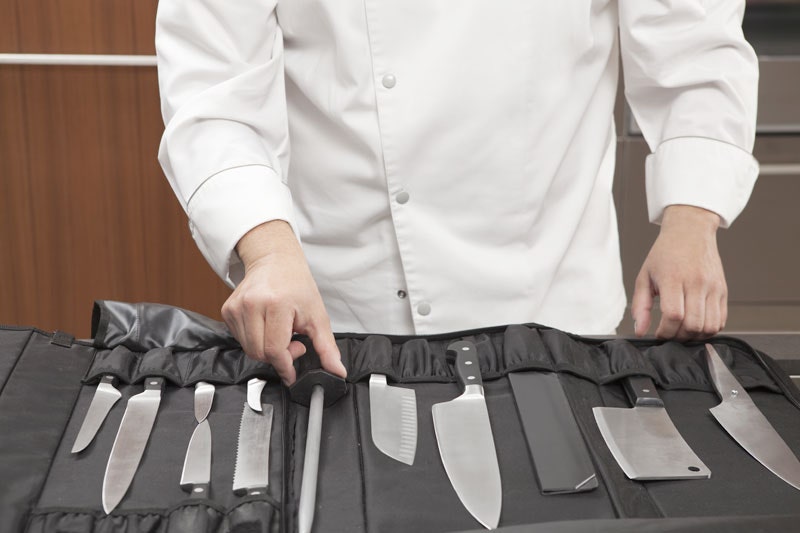
Taking good care of the WÜSTHOF knives is of important.
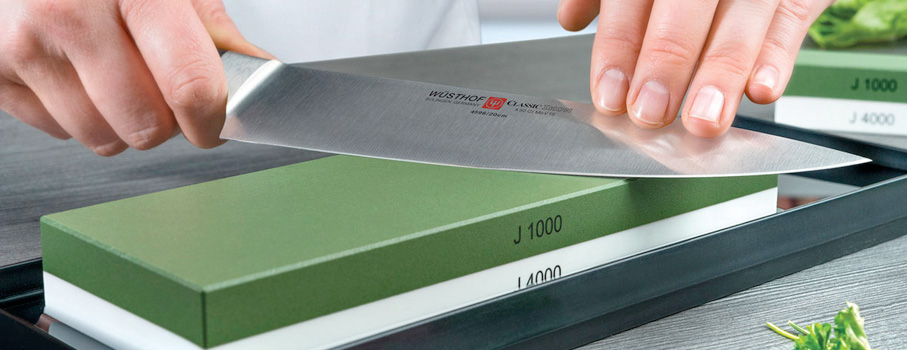
When it comes to sharpening your knives, we distinguish between honing and sharpening the edge depending on its wear and tear.
With this couple of ceramic steels you can sharpen and polish the edge of your knives, allowing you to obtain an optimal cut, sharp and slippery.
The two steels have an extremely hard ceramic stem, with two different grains.
The 360 grain to recover the edge of particularly blunt and damaged knives and a grain of 1000 to polish the wire and get a slippery edge.
The two fine and coarse grains have FEPA F 360 and 1000 European standards, according to Japanese JIS 800 and 3000 grains.
Styrofoam length 26 cm.
For optimum sharpening, maintain a 20 degree sharpening angle
When it comes to sharpening your knives, we distinguish between honing and sharpening the edge depending on its wear and tear.
With this couple of ceramic steels you can sharpen and polish the edge of your knives, allowing you to obtain an optimal cut, sharp and slippery.
The two steels have an extremely hard ceramic stem, with two different grains.
The 360 grain to recover the edge of particularly blunt and damaged knives and a grain of 1000 to polish the wire and get a slippery edge.
The two fine and coarse grains have FEPA F 360 and 1000 European standards, according to Japanese JIS 800 and 3000 grains.
Styrofoam length 26 cm.
For optimum sharpening, maintain a 20 degree sharpening angle
FAQs