Sharpening, trimming and polishing to perfection.
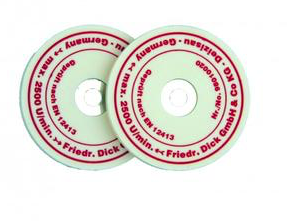
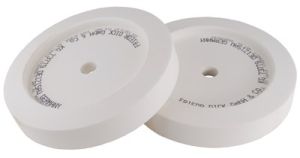
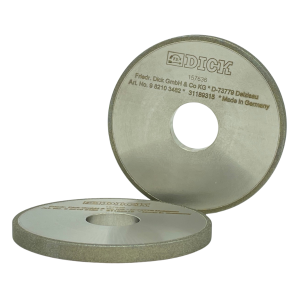
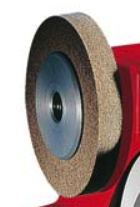
The SM 111 sharpener offers the possibility to adjust the grinding wheels for deburring and, for the most demanding, to polish the blade with the special felt wheel.
Suitable for professional and fast sharpening of knives.
The wheels are water cooled.
Knife holding magnets ensure complete control and quick restoration of the original cutting angle.
Removal of burrs facilitated by counter-rotating wheels.
In addition, SM-111 is equipped with adjustable wheels to refine the inclination of the cut.
Dimensions: 45 x 30 x 29cm.
Motor and electrical characteristics
Power: 0.13 kW
Voltage: 1 ~ 220-240V
Current intensity: 0.9 A
Frequency: 50/60 Hz
Degree of protection: IP 54
Connection: 3 m cable
Nominal speed: 2700 1 / min
Weight: 14.3 kg.
The SM-111 machine bears the GS mark for verified safety.
Shipping time: 2 weeks
FAQs
Why is it important to sharpen knives?
A sharp knife is safer and more efficient: it requires less force and delivers precise cuts. A dull blade can slip and increase the risk of accidents.
How often should I sharpen my knives?
It depends on how often you use them and the type of blade. Generally, regular honing with a honing steel is recommended, along with deeper sharpening every few months or when the knife loses effectiveness.
Should I use a honing steel or a sharpener?
A honing steel maintains the edge and prolongs the life of the knife, but it doesn’t actually sharpen. To restore the edge, you need a sharpener (manual, electric, or whetstone). The ideal routine is to use both: the honing steel for daily care, the sharpener for periodic maintenance.
What’s the difference between a smooth, grooved, or ceramic honing steel?
A smooth steel realigns the edge without removing metal. A grooved one has a slightly abrasive action, taking off a small amount of material. A ceramic steel is gentler and suitable even for hard blades like Japanese knives.
How do you correctly use a honing steel?
Hold the steel vertically and draw the blade across both sides at a 15–20° angle using light, steady strokes. Just a few passes are enough to maintain the edge.
Can I sharpen any type of knife?
Almost all types, but be careful with serrated or ceramic blades: they require specific tools or techniques. Always check the manufacturer's guidelines or ask us for advice.
Who are sharpening machines for?
For anyone who sharpens a lot of knives on a regular basis: butcher shops, charcuterie workshops, restaurant and hotel kitchens, canteens and resellers. The category includes professional machines for heavy use, such as the Dick models, and semi-professional machines such as the Tormek T-2 or compact belt sharpeners, which suit smaller kitchens or serious home cooks. Compared with hand-held sharpeners, they work faster and handle larger volumes.
Belt, wheel or water-cooled: what's the difference?
Belt machines use a replaceable abrasive belt: they remove metal quickly, and you change grit by changing the belt. Wheel machines use abrasive wheels, often with separate stations for sharpening and polishing. Water cooling stops the blade from overheating while it is being sharpened: too much heat can damage the steel's temper and shorten edge life. That makes it important on machines that run for long periods at high speed.
How do I choose the right machine?
Start with how many knives you sharpen and how often, then the types of blade (boning, chef's, Japanese, butcher's knives), and finally the space and power supply available. Also check which spare parts and consumables exist for the model, such as belts, wheels and guides, and what they cost over time: they are part of the real cost of the machine.
Is a sharpening machine suitable for every knife?
No. Each machine is designed for certain angles, thicknesses and blade types. Very thin or very hard Japanese blades, single-bevel knives and serrated blades may need a specific model or a different system. Some machines offer dedicated accessories, such as kits for Asian blades or scissor-sharpening jigs. Compatible blades are listed on each machine's product page.
Can I find spare parts and consumables for my machine?
For Dick machines, especially the SM-110 and SM-111, the catalogue includes a wide range of spare parts: grinding assemblies, guides, water trays, drive belts, seals and screws. Each part carries a position number (for example "Pos. 560") that matches the exploded diagram in the user manual: the safest way to order the right part is to check that number against your machine model. Replacement abrasive belts for the SM-100 and diamond wheels for the Tormek T-2 are also available.
How do I use and maintain a sharpening machine safely?
Read the manual before first use and set guides and guards as instructed. While working, guide the blade without forcing it: too much pressure removes more steel than necessary and heats the edge. At the end of the day, clean the machine, emptying the water trays and collecting metal residue, and check belts and wheels regularly: a worn abrasive works unevenly and should be replaced.
What truly distinguishes F. Dick knives within the professional cutlery market?
F. Dick knives are among the most respected names in German professional cutlery. Founded in 1778, the company has built its reputation not only by manufacturing professional knives, but also sharpening steels, sharpening systems, and equipment for the meat processing industry. This broad expertise enables F. Dick to design knives based on the real needs of chefs, butchers, and food industry professionals. F. Dick knives are renowned for their reliability, ergonomics, safety, and consistent performance—essential qualities in demanding environments where tools are used continuously for many hours.
Why is F. Dick considered a benchmark for chefs and meat professionals?
Few manufacturers have established such a strong presence in both professional kitchens and the meat processing industry. F. Dick's extensive experience in meat processing has led to the development of blade geometries, handle designs, and manufacturing processes specifically tailored to professional requirements. At the same time, close collaboration with chefs and culinary schools has resulted in product lines designed for modern gastronomy. This dual expertise makes F. Dick knives exceptionally versatile and highly trusted by professionals.
What are the differences between the main F. Dick series?
Each F. Dick series has been developed to meet the needs of specific professionals and working environments.
The prestigious 1905 series is the flagship of the brand, combining tradition, innovation, and outstanding cutting performance.
The Superior series is designed for chefs seeking an elegant, perfectly balanced professional knife suitable for intensive daily use in commercial kitchens.
The ErgoGrip and ProDynamic series are especially popular among butchers, meat processors, and food industry professionals thanks to their outstanding ergonomics, excellent hygiene, exceptional reliability, and outstanding value for money. They are designed to provide maximum comfort, safety, and productivity throughout extended working hours.
The 1893 series is directly inspired by F. Dick's long-standing experience in professional butchery and stands out for its robustness and exceptional cutting performance.
The DarkNitro series represents the brand's technological evolution, featuring high-performance blades with outstanding hardness and long-lasting edge retention.
For those who appreciate Japanese-inspired design and precision, the Red Spirit series combines an Eastern aesthetic with thin, razor-sharp blades and an ergonomic handle, making it ideal for both professional chefs and demanding cooking enthusiasts.
Finally, the Vivum series offers a contemporary interpretation of the modern kitchen knife, combining innovative materials, advanced ergonomics, and sophisticated design for users who seek performance, comfort, and style.
Who are F. Dick knives recommended for?
The F. Dick range is designed for professional chefs, butchers, culinary schools, delicatessens, food production facilities, and serious cooking enthusiasts. Thanks to its extensive selection, every user can choose the knife series that best matches their working style, whether they prioritize elegance, durability, ergonomics, or specialized performance.
How should F. Dick knives be maintained?
To maintain optimum cutting performance, F. Dick knives should be regularly honed using a professional sharpening steel or an appropriate sharpening system. Hand washing followed by immediate drying is strongly recommended. Proper maintenance preserves edge quality, safety, and cutting performance, ensuring reliable use even after many years of professional service.