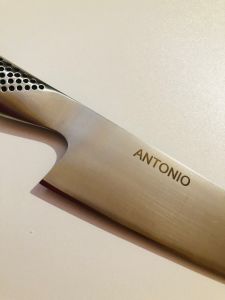
With Shun Nagare, kai has created another innovative masterpiece of Japanese blacksmithing. The sophisticated design, the special properties of the materials used and a technically complex production process mean that this series of knives belongs to the absolute luxury class. On the highly polished blades, an ornately decorated, radial pattern of Damascus layers is visible. This effect, combined with the mottled grey-black handle, gives the knife an impressive overall appearance. The blades of the series consist of two different types of steel, which are bonded to a 72-layered piece of Damascus steel. The complex layering of the two types of steel results in a blade with exceptionally sustainable cutting power. Blade 15 cm. Handle 11,6 cm.
Delivery time: 7 days
FAQs
What characterises the Kai Shun Nagare series?
The Kai Shun Nagare series is one of the most advanced collections by Kai. The blades are crafted using 72-layer composite Damascus technology, combining two high-performance steels (VG2 and VG10) forged together to create a distinctive flowing Damascus pattern. With a hardness of around 61 HRC, these blades deliver exceptional cutting performance, strong edge stability and durability, combined with a thin blade geometry designed for precise and smooth cutting. The ergonomic black pakkawood handle, with modern lines and careful balance, ensures comfort and control during use.
Who is this series recommended for?
It is recommended for professional chefs and highly demanding cooking enthusiasts looking for premium knives with advanced materials and high-level Japanese craftsmanship.
What type of use is it ideal for?
It is ideal for precise and refined cutting tasks involving fish, meat and vegetables, where clean, smooth and controlled cuts are essential.
How should it be maintained?
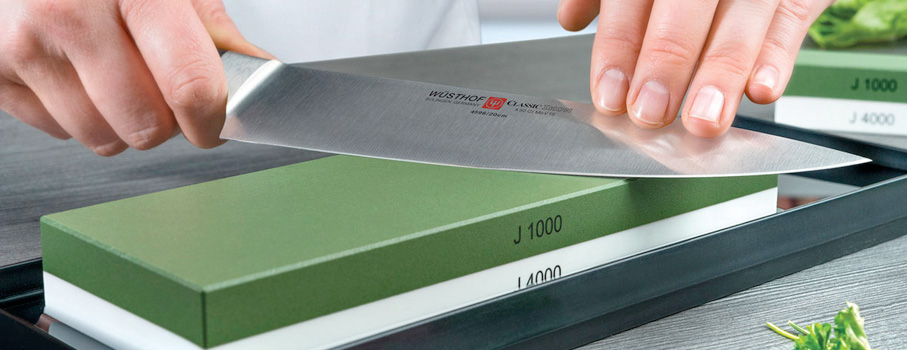
Regular whetstone sharpening, the use of high-quality wooden or synthetic cutting boards, and hand washing with immediate drying help preserve the edge, blade structure and handle.
What characterises the KAI series?
The KAI series stands out for the combination of Japanese tradition and modern manufacturing, providing reliable knives for conscious and precise kitchen use.
Who is this series recommended for?
It is suitable for professionals and advanced enthusiasts seeking consistent performance and quality.
What type of use is it ideal for?
It is ideal for everyday preparation and precise cutting tasks.
How should it be maintained?
Regular whetstone sharpening and proper cutting boards help preserve performance.
What distinguishes Japanese knives from Western ones?
Thinner geometries, sharper edge angles and an approach focused on precision and clean cutting.
Santoku or Gyuto: which should you choose?
The santoku is compact and versatile for everyday use; the gyuto is closer to a classic chef’s knife and is ideal for long cuts and sustained work.
Are Japanese knives more delicate?
Yes, they often require more care: they are not suitable for bones, frozen foods or twisting, but offer superior cutting performance when used correctly.
How do you properly sharpen a Japanese knife?
Whetstone sharpening is ideal: a medium grit for maintenance and a finer grit for finishing, adapting the choice to the steel and usage.