The Roga SF250L is a professional pasta sheeter designed for artisanal workshops, restaurants, delicatessens, and businesses seeking authentic-quality pasta using traditional methods. Crafted entirely from stainless steel and manufactured in Italy to high standards, it combines robustness, reliability, and ease of use.
The highlight of this model is its 250 mm wooden roller, a solution reminiscent of manual rolling and giving the pasta a more rustic and natural texture. Thanks to the special woodworking, the pasta surface holds sauces better, enhancing flavors and textures for an authentic, artisanal end result.
Equipped with a 230 V single-phase motor with belt drive, the SF250L ensures smooth and reliable operation even under intensive use. The machine is suitable not only for producing fresh pasta, but also for processing pizza dough, focaccia, and sugar paste, offering great versatility in the kitchen and the laboratory.
Produced since 1960 by specialized Italian craftsmen, the Roga range is synonymous with professional quality, featuring CE-compliant components and carefully selected materials to ensure long-lasting durability. The machine can also be customized with optional cutting accessories, available upon request.
Technical specifications:
Roller dimensions: L 250 mm ø 55 mm
Motor: 230 V
Power: 0.20 kW
Dimensions: 48 x 35 x 40 cm
Weight: 24 kg
Made in Italy
Shipping time: 5-7 days
FAQs
What tools do I need to start baking pastries?
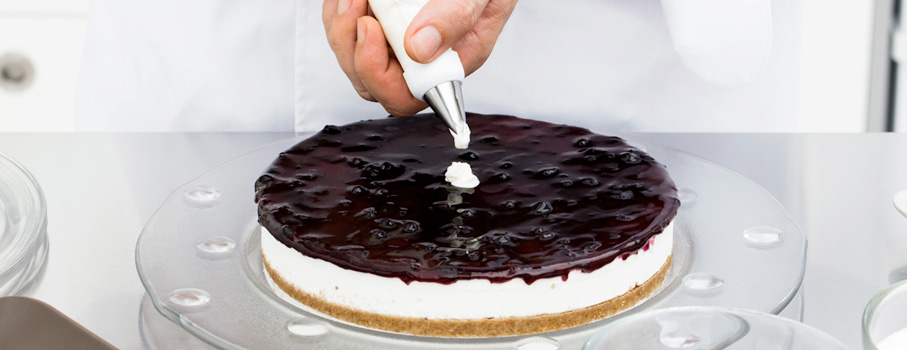
To get started, you'll only need a few essential tools: a spatula, a whisk, a piping bag with nozzles, some baking molds, a rolling pin, and an accurate scale. These are enough to begin making a wide range of desserts.
What’s the difference between a silicone mold and a stainless steel one?
Silicone molds are flexible, non-stick, and easy to unmold—ideal for soft cakes or single-portion desserts. Stainless steel molds ensure more even baking and are perfect for pies, cakes, and cookies.
How should I store pastry tools properly?
Always dry your tools completely before storing them, especially metal ones. Avoid humid environments and, if possible, store items separately to prevent scratches or damage.
Can all pastry tools go in the dishwasher?
It depends on the material. Most silicone and stainless steel tools are dishwasher safe. Wooden or delicate items, however, should be washed by hand. Always check the manufacturer's care instructions.
What are the must-have tools for cake and pastry decoration?
Piping bags with various nozzles, offset spatulas, scrapers, molds for sugar paste, and fine cutters will help you achieve professional-looking finishes on cakes, cookies, and pastries.
What is a thermometer used for in pastry making?
It’s essential for preparations that require precision, such as Italian meringue, tempered chocolate, or custards. A digital probe thermometer is the most accurate and versatile option.
What tools should I use for vegan or gluten-free baking?
There aren’t specific tools, but it’s crucial to use clean or dedicated utensils and bowls to avoid cross-contamination. Using separate scales also helps ensure safe preparation.
What if I can’t find a specific tool on your site?
Contact us! We’ll be happy to help you find the right tool or suggest a suitable alternative.
What are the essential basic tools in the kitchen?
Essential tools include good quality knives, cutting boards, pots and pans of various sizes, ladles, spatulas, whisks, and bowls. These tools allow you to easily handle most everyday cooking tasks.
What is the best material for pots and pans?
It depends on the use: stainless steel is versatile and durable, cast iron retains heat well, aluminum is lightweight and has excellent heat conductivity, while ceramic offers a non-stick surface without chemicals.
How do I choose the best cookware set?
Consider the material (stainless steel, aluminum, copper), compatibility with your stovetop, the number of pieces included, and ease of cleaning. A good set should be versatile and long-lasting.
How can I prevent damage to pots and pans over time?
Avoid using metal utensils on non-stick coatings, do not heat pots empty, and clean them with soft sponges. When storing, protect surfaces by stacking pots with cloths or separators to prevent scratches.
How do I properly care for and clean kitchen tools?
It’s important to wash them immediately after use, avoiding harsh detergents especially on delicate materials like wood or ceramic. Some tools are dishwasher safe, while others, like knives and special pots, should be hand washed. Always follow the manufacturer’s instructions.
When should I replace a kitchen utensil?
Replace utensils when they show significant wear, such as deep scratches on non-stick surfaces, broken or deformed parts, or when the material emits unusual odors or substances.
What should I do if I’m looking for a specific tool but can’t find it?
Contact us! We can help you find the right utensil or suggest suitable alternatives for your needs.